

Solving the Mystery of Your Slow-Draining Sink
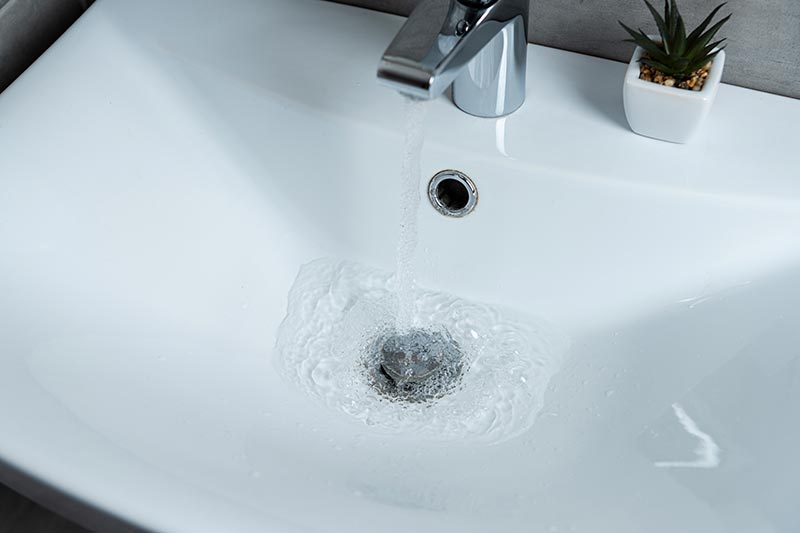
When the water in your sink sits there instead and takes its sweet time to disappear, it can be frustrating. This is the classic sign of a slow-draining sink, a problem that is far more than a minor inconvenience. It’s a disruption to your daily routine, a source of foul odors, and a clear signal that something is amiss within your home’s plumbing system.
Quality Plumbing is here to help you look for the common culprits behind a slow-draining sink, walk you through safe and effective DIY solutions you can try right now, and, most importantly, identify the critical red flags that indicate it’s time to call in a professional.
While often a simple fix, a persistent slow-draining sink can be an early warning sign of a more significant plumbing issue brewing beneath the surface. Ignoring it can lead to bigger, more expensive problems down the road. Fortunately, you can call the trusted experts at Quality Plumbing to provide the definitive solution for this and any other plumbing challenge you may face – contact us today.
Uncovering the Culprit: Common Causes of a Slow-Draining Sink
The source of a slow-draining sink often depends on its location in your home, as kitchen and bathroom sinks face very different types of debris. Understanding what’s likely causing the blockage is the first step toward choosing the right solution and preventing it from happening again.
- In the Kitchen: The number one cause of kitchen sink blockages is the combination of fats, oils, and grease. While they may beliquid when pouring down the drain, they quickly cool and solidify inside your pipes, creating a sticky, waxy trap that catches other debris. This buildup is compounded by food scraps. Even if you have a garbage disposal, small particles of starchy foods like rice and pasta, along with fibrous materials and coffee grounds, can accumulate over time. Finally, the residue from dish soap can combine with hard water minerals to form a thick, hard-to-remove sludge, further narrowing the pipes and slowing drainage.
- In the Bathroom: The most frequent cause of a slow-draining sink in the bathroom is hair. Long or short, it tangles together, forming a net that catches soap scum, toothpaste, and other grime. This creates a dense, stubborn blockage that worsens over time. Similar to the kitchen, soap scum and toothpaste build up on the pipe walls, creating a sludgy layer. Thick lotions, facial cleansers, and cosmetic oils also contribute, adding to the sticky mixture that eventually clogs your drain.
Sometimes the problem is deeper than the sink, such as a clog in the U-shaped P-trap pipe or a blocked plumbing vent on your roof. A blocked vent creates a vacuum effect that slows drainage throughout your system. The most serious issue is a main sewer line clog, which is the likely cause if multiple drains in your house are slow simultaneously. These system-wide problems often require a professional to diagnose and resolve correctly.
[Related: Understanding and Addressing Main Sewer Line Clogs]
First Line of Defense: Safe DIY Solutions to Try
When you first notice a slow-draining sink, it’s natural to want to fix it yourself. Fortunately, several safe and simple methods can often resolve minor clogs without requiring a professional call. Before you reach for a bottle of corrosive drain cleaner, give these proven first-line defenses a try:
- Boiling Water Flush: Carefully pour a full kettle of boiling water directly down the drain. This technique is particularly effective against the grease-based clogs common in kitchen sinks, as the intense heat can melt the solidified fats and help flush them away.
- Baking Soda and Vinegar Method: Pour about half a cup of baking soda down the drain, followed by an equal amount of white vinegar. Immediately cover the drain opening with a plug or cloth to contain the reaction. You’ll hear a fizzing sound as the two substances react, creating a powerful cleaning action that can break up minor clogs of hair, soap scum, and food debris. Let it work its magic for 15 to 30 minutes, then flush the drain thoroughly with a few pots of hot (not boiling) water.
A crucial word of caution is what to avoid. It can be tempting to grab a bottle of harsh chemical drain cleaner from the store, but these products are a plumber’s nightmare. They are highly corrosive and can eat away at older pipes, turning a simple clog into a costly leak. Furthermore, they are often only a temporary fix that doesn’t fully remove the blockage and can pose a significant hazard to your health and the environment.
When to Call for a Professional: Red Flags for Your Slow-Draining Sink
While DIY methods can handle minor issues, a persistently slow-draining sink is your plumbing system’s way of asking for help. Recognizing the signs that a problem is beyond a simple fix is crucial to preventing a minor issue from escalating into a full-blown plumbing emergency. If you notice any of the following signs, it’s time to put down the baking soda and pick up the phone:
- The Problem Persists: If you’ve tried safe DIY methods multiple times but the drain is still slow, or if the clog returns within a few days, it indicates the blockage is too severe or located too deep in the system for a simple flush to resolve.
- Multiple Drains in Your Home are Slow: If your bathroom sink, shower, and toilet are all draining sluggishly, this strongly suggests the problem isn’t a local clog but a much more serious issue in your main sewer line.
- Pay Attention to Smells and Sounds: Persistent sewer gas odors coming from your drains are a clear sign of a problem within your drain or vent system that needs immediate professional attention. Similarly, listen for gurgling sounds. If you hear gurgling in your toilet when the sink is draining, or vice versa, it often points to a blocked plumbing vent or a deep clog that is forcing air to escape through other water traps.
Don’t wait for a minor slow-draining sink to turn into a major disaster. The risk of waiting can be immense, potentially leading to raw sewage backing up into your home—a costly and unhygienic catastrophe. When you see these warning signs, it’s time to call in the plumbing experts.
Reclaim Your Drains and Peace of Mind – Call Quality Plumbing
A slow-draining sink is a common household frustration, but it doesn’t have to be a permanent one. Don’t continue to live with the inconvenience and potential risk of a drain that won’t cooperate.
Ready to get your drains flowing freely again? Contact the trusted and professional experts at Quality Plumbing. We’re here to exceed your expectations and restore your peace of mind.