
Furnace Not Working? A Homeowner’s Troubleshooting Guide
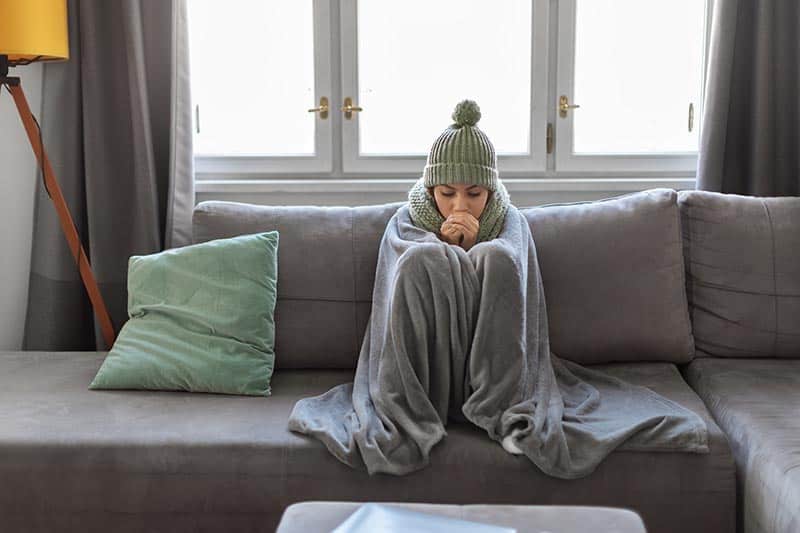
A furnace not working properly can lead to a cascade of problems, from the immediate discomfort of a chilly living space to the potential for frozen pipes and significant property damage. The stress of diagnosing the issue and the worry about potential repair costs can quickly become overwhelming.
When your furnace is not working, you need clear, reliable information to regain control and restore warmth to your home. Quality Plumbing is here to guide you through a series of troubleshooting steps that can resolve your issues and help you understand when to stop diagnosing and call a professional immediately.
Your family’s comfort and safety are paramount. If, at any point, you feel unsure or the problem persists after these initial checks, don’t hesitate to call the professionals. Contact Quality Plumbing today for expert HVAC solutions that will get your heat back on quickly and reliably.
[Related: Why is There a Burning Smell from Furnace?]
Furnace Not Working: Simple DIY Checks
Before you pick up the phone, taking a few minutes to perform some basic checks can often save you time and money. Many times, a furnace not working is the result of a simple oversight rather than a complex mechanical failure.
Your safety is the top priority. Before you touch or inspect any part of your furnace system, go to your thermostat and ensure it is switched to the “Off” position. This simple step prevents the furnace from unexpectedly starting while you are working on it, protecting you from moving parts and electrical components.
Check the Power Source
A furnace, whether gas, oil, or electric, relies on electricity to operate its fans, controls, and safety sensors. A loss of power is a frequent culprit when a furnace is not working.
- The Thermostat: First, confirm your thermostat is set to “Heat.” Next, ensure the temperature setting is at least five degrees higher than the current room temperature to actively call for heat. Many modern digital thermostats are powered by batteries. If the screen is blank or showing a low battery indicator, replacing the batteries might be the simple fix you need.
- The Circuit Breaker: On your home’s main electrical panel, look for the circuit breaker labeled “Furnace,” “Heater,” or “HVAC.” Sometimes, a power surge can cause the breaker to “trip,” cutting power to the unit. A tripped breaker will be positioned in the middle, between the “On” and “Off” positions. To reset it, you must first push it firmly to the “Off” position and then flip it back to “On.” If the breaker trips again immediately, this indicates a more serious electrical problem, and you should stop and call a professional. This is a clear sign that your furnace is not working due to an internal electrical fault.
- The Furnace Power Switch: Often overlooked, most furnaces have a dedicated power switch. It typically looks like a standard light switch and is located on the side of the furnace unit or on a nearby wall. It may have been turned off accidentally during the summer or by someone mistaking it for a light. Ensure this switch is in the “On” position.
Check the Airflow
For your furnace to heat your home effectively, it needs to be able to breathe. Unobstructed airflow is essential for both performance and safety. A restriction is a very common reason for a furnace not working.
- The Air Filter: A dirty, clogged air filter is the number one cause of furnace problems. When the filter is packed with dust and debris, it severely restricts airflow into the unit. This forces the system to work harder and can cause the heat exchanger to overheat. As a safety measure, the furnace will shut itself down to prevent damage or a fire hazard. Locate the filter compartment on your furnace, slide out the old filter, and hold it up to a light. If you can’t see light through it, it’s long past due for a replacement. Swap it with a new, clean filter of the correct size. For many homeowners, this single step will resolve the issue of a furnace not working.
- Vents and Registers: Take a quick tour of your home. Check that all your heating vents (supply registers) and cold air returns are open and not blocked by furniture, rugs, curtains, or other household items. Proper circulation is needed for the system to operate as designed.
Check the Fuel Source (For Gas/Oil Furnaces)
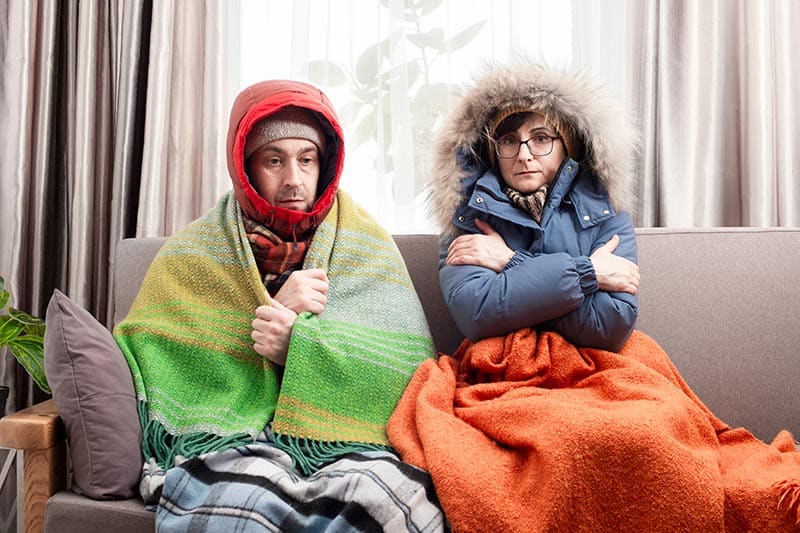
If you have a gas or oil furnace, a disruption in the fuel supply will obviously prevent it from producing heat.
- Gas Valve: Your furnace has a manual gas shut-off valve on the gas pipe leading to the unit. The valve handle should be parallel to the pipe, which indicates it is in the “On” position. If the handle is perpendicular to the pipe, the gas is off.
- Pilot Light (Older Models): If you have an older furnace, it may use a standing pilot light—a small, continuously burning flame. Check to see if it has gone out. Instructions for safely relighting the pilot are usually printed on a label inside the furnace’s access panel. Follow these directions exactly. Important: If you smell gas at any point, do not attempt to relight the pilot. Do not operate any light switches or electronics. Leave your home immediately and call your gas utility company from a safe distance. Dealing with a potential gas leak is not a DIY task when your furnace is not working.
After running through this checklist, turn your thermostat back on and see if your furnace kicks in. If it does, congratulations! If you’re still left in the cold, it’s a strong indication that the problem is more complex and requires a professional diagnosis.
Furnace Not Working: Signs It’s Time to Call a Professional HVAC Technician
If you’ve completed the simple checks and your furnace is still not working, it’s time to call for help. Continuing to troubleshoot can be risky. Here are the specific warning signs that demand the expertise of a qualified HVAC technician:
- Strange Noises: Banging or popping can indicate a delayed ignition problem with the gas burners. A high-pitched squealing often points to a failing blower motor or a problem with a belt. Scraping or grinding metal sounds suggest a serious mechanical failure, such as a broken motor bearing. Turn the system off immediately to prevent further damage. These sounds mean your furnace not working is a symptom of a critical component failure.
- Unpleasant Smells: The only time you should smell anything from your furnace is a faint dusty or burning smell the first one or two times, you turn it on for the season. A persistent burning odor or the smell of melting plastic or electrical wiring points to an overheating motor or a serious electrical fault. The most dangerous smell is that of natural gas (often described as rotten eggs). If you smell gas, evacuate your home immediately and call your gas company and an HVAC professional.
- Frequent Cycling: Is your furnace turning on for a minute, shutting off, and then turning back on a few minutes later, without ever reaching your desired temperature? This “short cycling” is a clear sign of a problem. It could be caused by an overheating issue (often due to poor airflow), a faulty thermostat, or a malfunctioning flame sensor. This erratic behavior is a definite symptom of a furnace not working correctly.
- Yellow Pilot Light: On older models with a pilot light, the flame should be a crisp, steady blue. If the flame is yellow, weak, or flickering, it can indicate a dirty pilot orifice or, more dangerously, a ventilation problem. A yellow flame can be a sign that the furnace is producing carbon monoxide, a colorless, odorless, and deadly gas. This is an emergency.
- Diagnostic Error Codes: Many modern furnaces are equipped with a control board that uses a small LED light to flash diagnostic codes when a problem is detected. The pattern of blinks corresponds to a specific fault. While you can sometimes look up the code online, a professional technician can accurately interpret it and pinpoint the exact failing component.
- The Blower Runs, But the Air is Cold: If you hear the furnace fan kick on and you feel air coming from your vents, but it’s cold or room temperature, the heating component has failed. This means the system is not successfully igniting fuel or heating the elements. This could be due to a faulty ignitor, a malfunctioning flame sensor, or an issue with the gas valve or control board. When the heating part of the equation is the reason your furnace is not working, you need an expert.
When you encounter any of these signs, the safest and most efficient course of action is to call a certified HVAC professional, like Quality Plumbing. They have the training, tools, and diagnostic equipment to safely identify the root cause of why your furnace is not working and perform the necessary repairs.
Don’t Stay in the Cold – Contact Quality Plumbing Today!

You’ve done the troubleshooting, and the cold reality remains: your furnace is not working. Let the team of experienced HVAC technicians at Quality Plumbing take the burden off your shoulders and provide the professional solution you need. We are standing by, ready to restore warmth to your home or business.
Stop the frustration of dealing with a furnace not working and let the experts handle it. Contact Quality Plumbing today and discover why we’re the trusted choice for all your plumbing and HVAC needs. We’ll get your heat back on, fast.