

How to Tell If Pipes Are Frozen: A Guide to Preventing a Winter Catastrophe
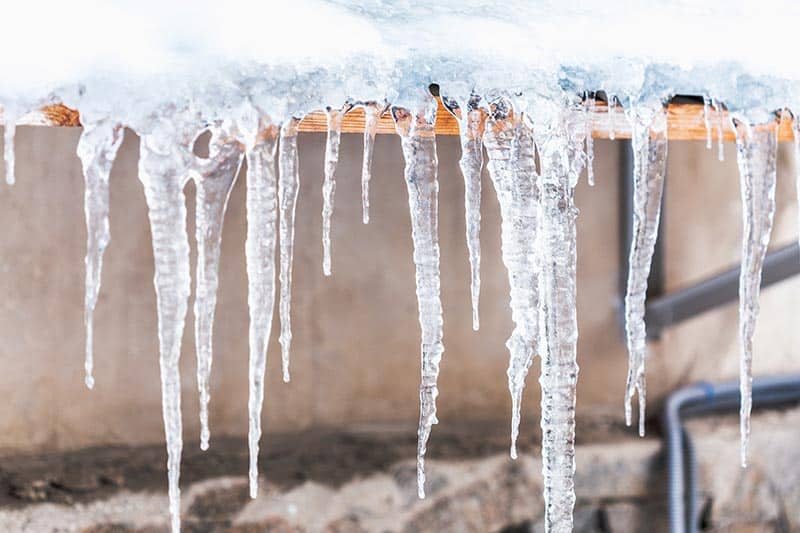
As temperatures plummet, the risk to your home’s plumbing system rises dramatically. The water that keeps your household running can become its biggest enemy, freezing solid within your pipes. A frozen pipe is a ticking time bomb, a prelude to a potential burst that can lead to catastrophic water damage, structural issues, and costly repairs.
Learning how to tell if pipes are frozen is your first and most critical line of defense, allowing you to act quickly before a minor issue escalates into a full-blown disaster. Recognizing the signs early can save you thousands of dollars and immeasurable stress.
When the cold sets in, don’t be caught unprepared. If you suspect a problem, immediate action is paramount. For peace of mind and expert plumbing solutions, contact Quality Plumbing today.
How to Tell if Pipes Are Frozen: The Telltale Signs
Before a pipe bursts, it almost always sends out warning signals. If you’re concerned about the cold, regularly checking for these indicators is a crucial part of winter home maintenance. Understanding how to tell if pipes are frozen begins with paying close attention to how your plumbing is behaving:
- No Water or a Weak Trickle from Faucets: An ice blockage, or “ice plug,” somewhere in the line is preventing water from reaching the faucet. Test multiple faucets throughout your home. If only one kitchen or bathroom tap is affected, the freeze is likely isolated to the specific pipe feeding that fixture. However, if multiple faucets or all of them are failing to produce water, you may be dealing with a more serious freeze closer to where the water main enters your home.
- Visible Frost or Condensation on Pipes: Take a flashlight and examine any exposed pipes in your home’s unheated or poorly insulated areas. The most common trouble spots include basements, crawl spaces, attics, garages, and underneath sinks in cabinets, especially those on exterior walls. If you see a layer of frost or ice forming on the outside of a pipe, it’s a definitive sign that the water inside is frozen solid. Even heavy condensation in freezing temperatures can indicate that the pipe is dangerously cold and on the verge of freezing, serving as an early warning.
- A Bulging Section of the Pipe: When water turns to ice, it expands with incredible force. This expansion puts immense pressure on the pipe walls from within. If you see a section of a pipe that looks swollen, warped, or bulging, it means the metal or plastic has been stressed to its breaking point. Do not attempt to thaw a bulging pipe yourself with direct heat. The sudden temperature change can cause it to rupture violently. This is a critical situation that requires immediate professional attention.
- Strange Smells or Sounds: An ice blockage can trap odors from food, waste, and sewer gas that would normally flow down the drain. If you notice an unpleasant smell coming from a faucet or drain, it could be because a downstream freeze is causing a backup. You might also hear unusual sounds like gurgling, clanking, or banging as small amounts of water try to squeeze past the ice blockage or as the pressure causes the pipes to shift and vibrate.
Pay attention to what you see, hear, and even smell from your plumbing system during a cold snap. These clues are clear evidence that a pipe is frozen and under extreme stress. The faster you can identify the problem, the more likely you are to prevent the devastating damage that comes next.
Why You Must Act Immediately: The Dangers of Frozen Pipes
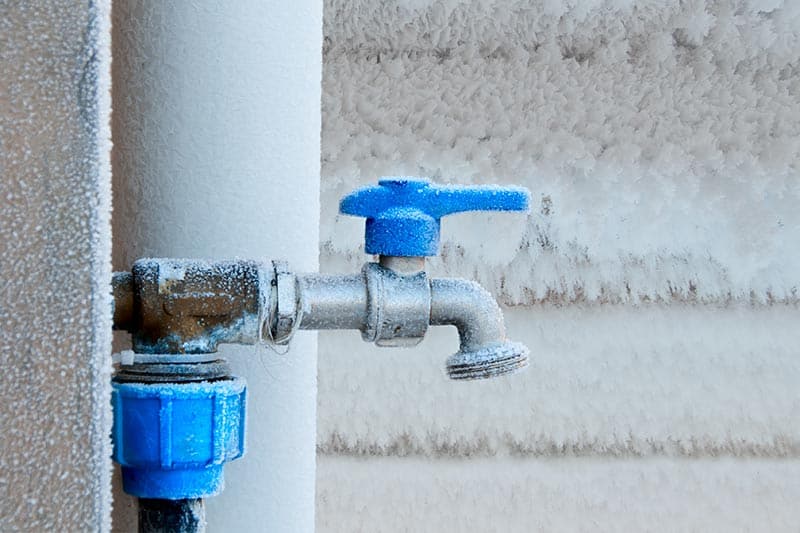
A frozen pipe is far more than a temporary loss of water—it’s a significant threat to your property’s integrity and your financial well-being. The moment you can tell your pipes are frozen, the clock starts ticking. When water freezes inside a pipe, it expands with incredible force—just like a full water bottle that cracks in the freezer. This creates crushing pressure, far more than your pipes are designed to handle, and that pressure is what causes them to burst.
Once a pipe splits, even a tiny crack can gush out hundreds of gallons of water an hour, flooding your home fast. This water can destroy your floors, walls, and furniture, and can create a dangerous electrical situation. The cleanup is a massive headache, and the repair costs can be enormous.
The trouble doesn’t stop there. All that dampness creates the perfect environment for dangerous mold to grow, sometimes in as little as a day. Mold can cause serious health problems, like breathing issues and allergies. Don’t let a small problem spiral out of control. Contact Quality Plumbing today for expert plumbing solutions.
How to Tell if Pipes Are Frozen: What to Do
If you have used the signs above to determine how to tell if pipes are frozen and you believe you’ve caught it early, there are a few immediate steps you can take to mitigate the risk. Proceed with extreme caution, as improper handling can make the situation worse:
- Turn Off Your Main Water Supply: Before you do anything else, locate and shut off your home’s main water valve. This is the single most important step. If the pipe bursts while you are trying to thaw it, cutting off the water supply will prevent a catastrophic flood.
- Open the Affected Faucet: After the main valve is off, go to the faucet connected to the frozen pipe and turn it to the open position. Even if no water is coming out, this is crucial. As the ice plug begins to melt, the open faucet will allow the melting water and steam to escape, relieving the dangerous pressure building up inside the pipe.
- Attempt Gentle Thawing (Use Extreme Caution): The key to safe thawing is applying gentle, indirect heat. Focus the heat on the frozen section of the pipe, starting from the faucet side and working your way back toward the blockage. This allows melting water to flow out freely.
When you are thawing, use a hairdryer on a low-to-medium setting, wrap the pipe with approved electric heating tape, or apply towels soaked in warm (not boiling) water. These methods raise the temperature gradually without causing a sudden pressure spike. Do not use an open flame of any kind, such as a blowtorch, propane heater, or even a candle. These high-heat sources can boil the water inside the pipe, causing a steam explosion that is even more violent than a standard burst. They also create a serious fire hazard.
[Related: What to Do if Your Pipes Are Frozen]
When to Call the Professionals at Quality Plumbing
While minor and easily accessible freezes can sometimes be handled by a cautious homeowner, the risks are often too great. The smartest and safest course of action in most situations is to call a licensed plumber. You should call a professional immediately if:
- You cannot locate the source of the freeze.
- The frozen pipe is in an inaccessible area, such as behind a wall or ceiling.
- Your gentle thawing efforts are not working after a reasonable amount of time.
- You see any signs of a bulge, crack, or leak in the pipe, indicating it is already compromised.
- You are not comfortable or confident in handling the situation yourself.
Trying to fix a serious freeze without the proper tools and expertise can lead to personal injury, extensive property damage, and a much more expensive final repair bill. A professional plumber has the equipment and knowledge to locate and thaw the pipe safely and efficiently.
Contact Quality Plumbing if Your Pipes Are Frozen
If you have identified the signs and now know how to tell if pipes are frozen in your home, don’t risk a burst. Contact the 24/7 emergency experts at Quality Plumbing right away. We have the expertise and experience to protect your home and restore your peace of mind.