
How to Improve Indoor Air Quality
Poor indoor quality can lead to issues such as nagging allergies, persistent headaches, and asthma flare-ups, and to more serious long-term respiratory problems. Taking proactive steps to improve the air in your home is crucial to protect your family’s health and well-being.
The good news is that you have a great amount of control over the air you breathe every day. By understanding the common sources of indoor pollution and implementing a few key strategies, you can transform your home to breathe clean, fresh air. Quality Plumbing can help you learn how to improve indoor air quality, and we can provide tailored HVAC solutions to improve air quality. Contact us today to learn more about our HVAC services.
[Related: Why is My Heater Blowing Cold Air]
How to Improve Indoor Air Quality: Best Strategies
Creating healthier indoor air relies on a powerful, three-pronged approach: controlling pollutants at their source, ensuring proper ventilation to introduce fresh air, and actively filtering the air to capture what remains. How you improve indoor air quality is through:
Source Control: Eliminate Pollutants at Their Origin
The most effective way to achieve cleaner air is to stop pollutants from entering your home in the first place. Many everyday items release particles and gases that worsen air quality. One of the most common culprits is Volatile Organic Compounds (VOCs), which are chemicals off-gassed from paints, flooring, new furniture, and even harsh cleaning products.
You can improve indoor air quality by reducing VOC levels by choosing low-VOC or zero-VOC products whenever you renovate or redecorate. Opting for natural cleaning solutions like vinegar and baking soda over chemical-laden sprays can also make a huge difference. When you do purchase new furniture or bring home dry-cleaned clothing, let it air out in a garage or on a porch for a day or two before bringing it inside.
Establishing a consistent cleaning routine is your best defense against biological pollutants like dust, pet dander, and mold spores. Washing bedding in hot water at least once a week helps eliminate dust mites, a common allergen. If you have pets, grooming them regularly, preferably outdoors, can minimize the dander they shed inside. Finally, prevent mold and mildew as moisture is the primary cause of mold growth. Mastering source control is a fundamental step in how to improve indoor air quality.
Improve Ventilation: Let Fresh Air In and Push Stale Air Out
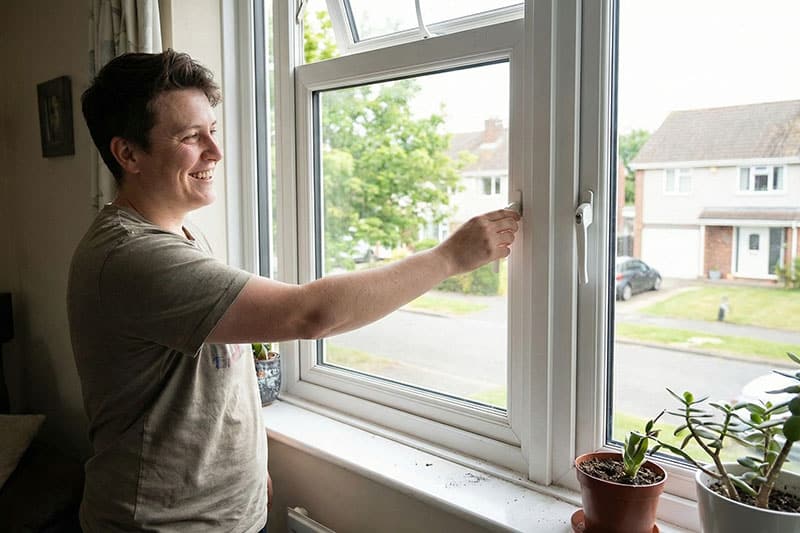
Once you’ve minimized pollution sources, the next step is to ensure a steady exchange of air. The simplest method is natural ventilation. Even in colder weather, opening windows and doors for just 5-10 minutes each day can significantly reduce indoor pollutant levels by allowing for a complete air exchange.
In addition to opening windows, you can use your home’s systems to your advantage through mechanical ventilation. Consistently using your kitchen and bathroom exhaust fans is one of the easiest and most important habits to adopt, as they pull moisture, odors, and contaminants out of your home before they have a chance to spread.
It is also important to ensure that your attic and crawl spaces are properly ventilated, as this prevents moisture buildup and improves the overall health of your home’s “envelope.” Good ventilation is a non-negotiable component of any effective strategy for how to improve indoor air quality.
Air Purification and Filtration: Actively Clean the Air You Breathe
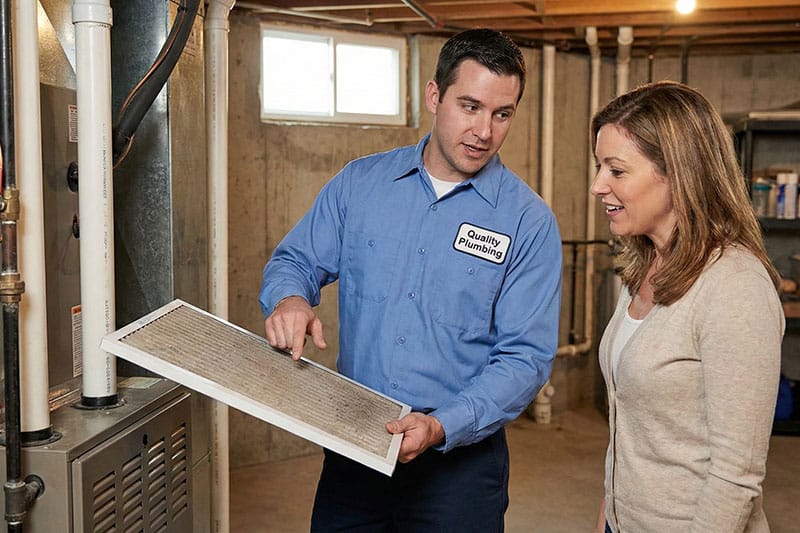
The final piece of the puzzle is actively cleaning the air that circulates throughout your home. Your HVAC system is your first and most powerful line of defense. The filter in your furnace or air conditioner is designed to capture airborne particles, but its effectiveness depends entirely on its quality and how often it’s changed.
A dirty, clogged filter not only fails to clean the air but can also strain your HVAC system, reducing efficiency. Be sure to replace your filter every 1-3 months.
How to Improve Indoor Air: The Next Step with HVAC Services
While the strategies above will make a substantial impact, enlisting professional help can improve your indoor air quality significantly. Your HVAC system is the lungs of your home, and ensuring it runs cleanly and efficiently is paramount for healthy air.
Routine professional HVAC maintenance is essential for good indoor air quality. During a tune-up, a technician can perform a deep clean of your system’s critical components. Over time, sensitive parts can accumulate dust, moisture, and grime, creating a prime environment for mold and bacteria to grow. Without regular cleaning, your HVAC system could unknowingly circulate these harmful contaminants throughout your home every time it runs.
For advanced air quality solutions, whole-home air purifiers integrate directly with your HVAC system to filter and purify the air in every room simultaneously, offering a more powerful and seamless solution than multiple portable units. A whole-home humidifier or dehumidifier can help maintain optimal humidity levels year-round, which not only prevents mold growth but also improves respiratory comfort.
[Related: Furnace Not Working? A Homeowner’s Troubleshooting Guide]
Breathe Easier with a Proactive Approach – Contact Quality Plumbing
Improving your indoor air quality is not a one-time fix but an ongoing process that combines simple daily habits with smart home maintenance. By taking a proactive approach, you are making a profound investment in your long-term health. Need professional services to help improve your home’s air quality? Contact the experts at Quality Plumbing for comprehensive and personalized HVAC solutions.