
How Long Does a Furnace Last?
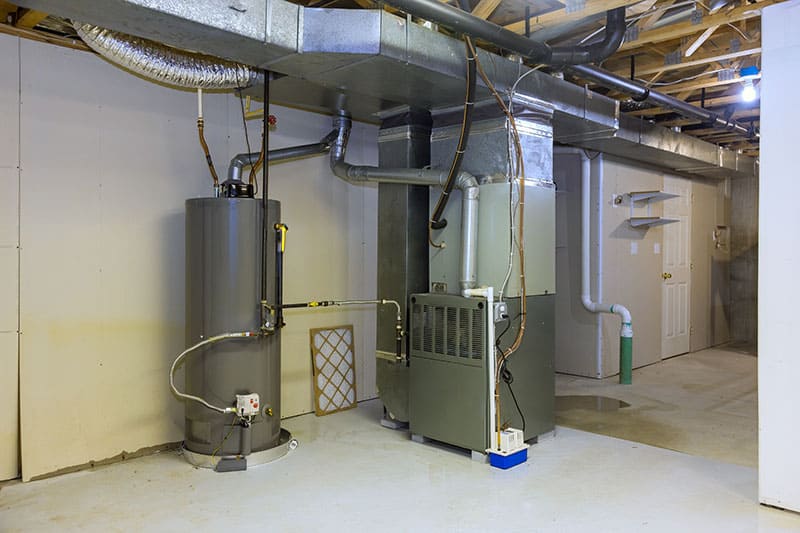
During the cold winter months, your furnace undoubtedly becomes the unsung hero of your home, working silently in the background to provide warmth against the biting cold. But like any hard-working piece of machinery, it has a finite lifespan. This leads to the most common question we hear from homeowners: how long does a furnace last?
Generally, a standard gas furnace lasts between 15 to 20 years. However, the actual lifespan of your unit is influenced by several factors, from the quality of its installation to the diligence of your maintenance routine. Understanding these variables is key to budgeting wisely and avoiding the stress of a sudden breakdown on a freezing winter night.
You can’t last through the winter with a broken or unreliable furnace. You deserve heat and comfort. Quality Plumbing is the HVAC services company to call when you need help with your furnace. Contact us today and tell us about your heating issues, and we’ll be there as soon as possible, restoring your heat and peace of mind.
How Long Does a Furnace Last: Key Factors that Determine Longevity
So, what determines if your furnace will last a mere 15 years or push closer to 30? The answer lies in four primary areas: the type of unit, the quality of the installation, your commitment to maintenance, and your home’s unique heating demands. Gaining a clear picture of how long a furnace lasts requires a closer look at each of these elements.
Type of Furnace
The fuel source and design of your furnace play a significant role in its expected lifespan:
- Gas Furnaces: As the industry standard in most homes, gas furnaces typically last 15-20 years. The combustion process creates heat, but also byproducts that can cause wear and corrosion on internal components, such as the heat exchanger, over time.
- Electric Furnaces: These units often boast a longer lifespan, potentially reaching 20-30 years. The reason is simple: they have fewer moving parts. An electric furnace uses heating elements, much like a giant toaster, to generate warmth. With no combustion, there are no corrosive byproducts and fewer mechanical components to fail, extending its operational life.
[Related: Furnace Not Working? A Homeowner’s Troubleshooting Guide]
Quality of the Initial Installation
A furnace is not a simple plug-and-play appliance. Its initial installation is a complex process that sets the stage for its entire life. A proper installation—which includes sizing the unit correctly for your home’s square footage, ensuring all ductwork is securely connected and sealed, and verifying proper ventilation for gas units—is crucial.
A shoddy installation can lead to a cascade of problems, from poor efficiency and uneven heating to strained components and premature failure. A system that was improperly sized or installed may never operate as intended, significantly shortening its lifespan, regardless of how well it’s maintained.
The Commitment to Regular Maintenance
Regular maintenance is the single most important factor you can control to determine how long your furnace lasts. A well-maintained furnace will always outlast a neglected one.
- Annual Professional Tune-Ups: An annual inspection by a qualified HVAC technician is non-negotiable. During a tune-up, a professional will clean critical components, such as the burners and flame sensor, inspect the heat exchanger for dangerous cracks, check for safety issues like carbon monoxide leaks, and optimize the system for peak performance and efficiency.
- Consistent Filter Changes: This is the simplest task a homeowner can perform to extend a furnace’s life. A clogged air filter restricts airflow, forcing the furnace’s blower motor to work much harder. This strain leads to increased energy consumption, unnecessary wear and tear, and potential overheating that can damage critical parts.
Usage and Local Climate
Finally, simple wear and tear plays a major role. A furnace in a region with long, harsh winters will naturally accumulate more operational hours and cycles than one in a milder climate.
Also, your daily habits matter. Setting your thermostat at a higher temperature forces the unit to run more frequently. The quality of your home’s insulation also has a direct impact; a well-insulated home retains heat more effectively, reducing the furnace’s workload and extending its lifespan.
How Long Does a Furnace Last: Warning Signs
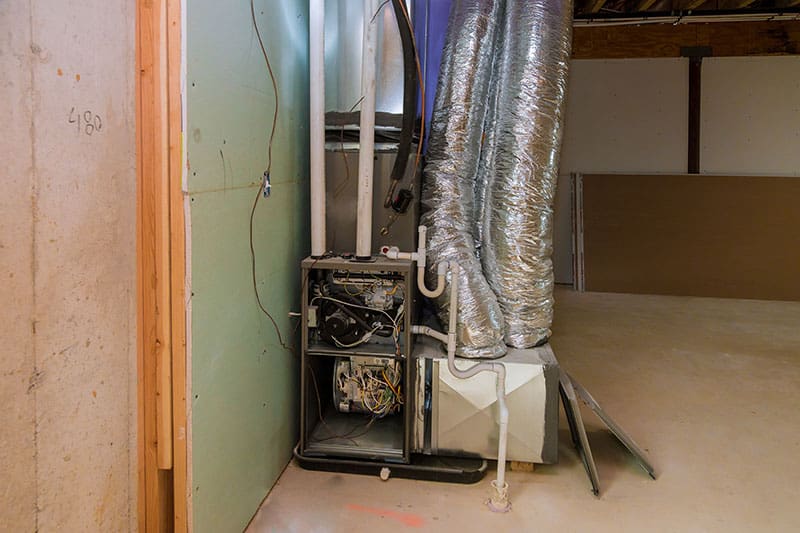
The best way to manage a furnace replacement is to be proactive, not reactive. Waiting for a complete breakdown in the middle of January is a stressful and often more expensive scenario. Watch for the following indicators that your furnace may be on its last legs:
- Age: If your furnace is over 15 years old, it is officially in its golden years. Even if it seems to be running fine, it’s operating on borrowed time. At this age, it’s wise to start proactively researching and budgeting for a replacement.
- Rising Energy Bills: Are your heating bills creeping up year after year without a change in your usage? An older, inefficient unit has to run longer and work harder to produce the same amount of heat, which directly impacts your utility costs. This is a tell-tale sign of declining performance.
- Frequent and Costly Repairs: If you are on a first-name basis with your repair technician, it’s a major red flag. One or two repairs over a decade is normal, but needing service calls every season is not. A good rule of thumb: if a single repair costs 50% or more of the price of a new unit, replacement is almost always the smarter financial choice.
- Strange Noises: Your furnace should operate with a relatively consistent hum. If you start hearing new and unusual sounds—such as banging, popping, rattling, or a high-pitched squealing—it can indicate serious mechanical problems like a failing blower motor or a cracked heat exchanger.
- Uneven Heating: Are some rooms in your house toasty warm while others remain stubbornly cold? This is a sign that the furnace can no longer distribute air effectively throughout your home, a common symptom of aging and wear.
- Visible Rust, Cracks, or Corrosion: Take a look at your unit. Physical deterioration, especially around connections and on the heat exchanger, is an urgent sign that the system’s integrity is compromised. Rust can lead to carbon monoxide or water leaks, posing a safety risk to your family.
Considering a furnace replacement can feel overwhelming, but we see it as an opportunity to upgrade your home’s comfort and efficiency. An aging furnace is an unreliable energy drain. Quality Plumbing guides you through a seamless process, helping you select a modern, high-efficiency unit that lowers bills, provides consistent heat, and improves air quality.
The Case for a Timely Replacement
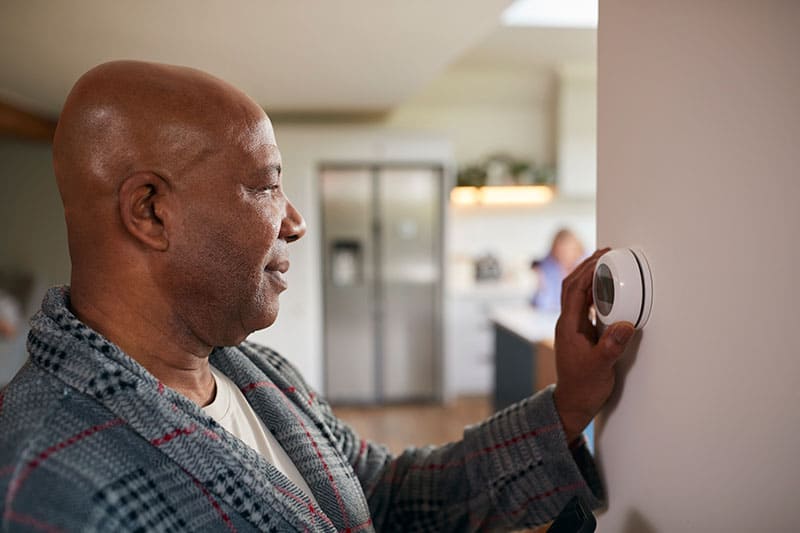
Replacing an aging furnace is more than just a defensive move to avoid a mid-winter breakdown; it’s a strategic investment in your home’s value, comfort, and efficiency. The technology behind residential heating has advanced dramatically over the past two decades to provide:
- Superior Energy Efficiency: Today’s new furnaces are significantly more efficient than models from 15-20 years ago. Many new units boast an Annual Fuel Utilization Efficiency (AFUE) rating of 95% or higher, meaning 95 cents of every dollar you spend on fuel is converted into usable heat. An older furnace might operate at just 60-70% AFUE. This upgrade translates into immediate and substantial savings on your monthly energy bills.
- Enhanced Comfort: Modern furnaces provide far more consistent, even heating. Many feature variable-speed blowers and two-stage burners that make subtle adjustments to maintain a steady temperature, eliminating the hot and cold spots common with older systems.
- Peace of Mind: There is immense value in knowing your home’s heating system is reliable. A new furnace comes with a manufacturer’s warranty, ensuring you won’t have to worry about it failing during the next major cold snap.
- Improved Air Quality: Newer systems often have better filtration capabilities and are compatible with advanced air purification accessories. This can help reduce the amount of dust, allergens, dander, and other pollutants circulating in your home, creating a healthier living environment for your family.
[Related: How to Improve Indoor Air Quality]
Don’t Wait for the Cold – Contact Quality Plumbing
Winter has a way of arriving sooner than we expect. Be prepared for the upcoming season by taking control of your home’s heating situation now. If your furnace is getting older or showing any of the warning signs discussed, now is the perfect time to act.
Contact Quality Plumbing today for expert HVAC services, such as a comprehensive furnace inspection or replacement options. Ensure your home stays warm, safe, and comfortable the entire winter season.