

Why is it Hotter on the Second Floor?

Many homeowners experience the frustrating struggle of freezing in the downstairs living room while sweating in the upstairs bedrooms during the summer. You might find yourself adjusting the thermostat constantly, only to realize that perfect comfort seems impossible to achieve across multiple levels. It’s a common dilemma that leaves many families tossing and turning on warm nights, wondering how to balance the temperature throughout their home.
If you find yourself asking, “Why is it hotter on the second floor?” every time summer rolls around, you are not alone. You don’t have to settle for daily discomfort or the high energy bills that come from an overworked air conditioner. Achieving balanced, whole-home cooling is possible, highly beneficial for your wallet, and well within your reach when you understand the root causes of the problem.
Quality Plumbing offers expert HVAC maintenance and repair services to identify your problem and restore comfort throughout your home. You don’t have to wonder why it is hotter on the second floor anymore. Contact our experienced HVAC experts today so you can enjoy every room in your house again.
[Related: Why is My AC Freezing Up?]
Why Is It Hotter on the Second Floor: The Causes
The reason it is hotter on your second floor is that hot air naturally rises while cold air sinks, which means the upper levels of your home are predisposed to collecting warmer air. Adding to that, the summer sun beats down directly on your roof, transferring intense radiant heat straight into your attic and the adjacent second-story bedrooms.
Beyond simple physics, your home’s structural design can trap this rising heat. Poor attic insulation or inadequate roof ventilation prevents trapped hot air from escaping, essentially creating an oven right above your living space. This structural heat retention forces your cooling system to work overtime, fighting a constant battle against nature and architecture to keep your upstairs air breathable.
Why Is It Hotter on the Second Floor: HVAC and Ductwork Challenges
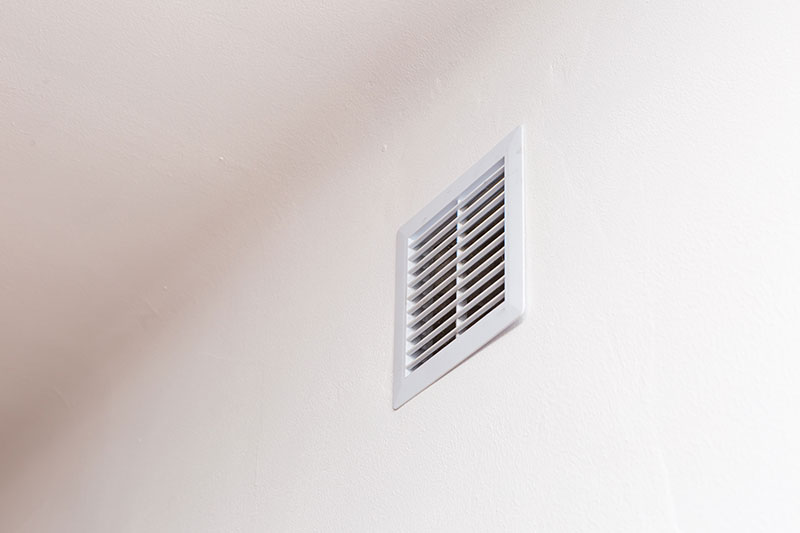
Even with proper insulation, your air conditioner might struggle to push cool air where it needs to go. When cold air has to travel a significant distance from your main AC unit, several structural and mechanical obstacles can stand in the way of achieving a comfortable temperature upstairs. Here are some reasons why it feels hotter on the second floor:
- Distance from the AC Unit: Conditioned air naturally loses its cooling power as it travels through long stretches of ductwork to reach your upper rooms.
- Thermostat Location: Standard single-zone thermostats are usually located on the naturally cooler first floor, meaning the system shuts off before the upstairs ever cools down.
- Leaky Ductwork: Cracks, leaks, or uninsulated ducts can cause up to thirty percent of your cooled air to escape into wall cavities before it reaches your bedrooms.
If you are constantly asking yourself why it is hotter on the second floor, your aging or compromised ductwork is likely a major contributing factor. Quality Plumbing’s expert HVAC services address these mechanical and distribution flaws to restore proper airflow and ensure balanced cooling throughout your entire home. Contact us today for HVAC repairs that offer quick, efficient, and lasting results for your comfort and peace of mind.
[Related: What is an AC Tune-Up?]
Effective Solutions for Total Comfort
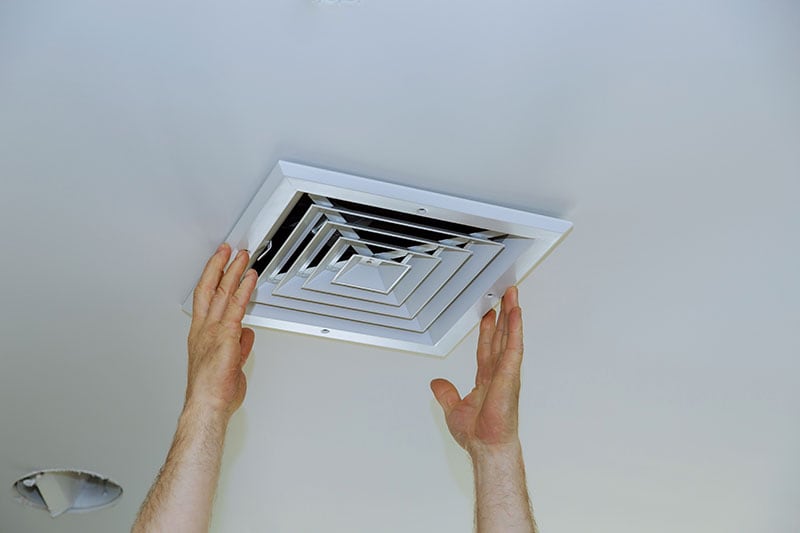
Fortunately, you don’t have to live with a sweltering second story. While you may be dreading the fact that your system needs to be replaced, it could be as simple as blocked registers. If your second story is hotter, try:
- Optimizing Airflow: Start with simple adjustments, such as keeping upstairs registers open and completely clear of furniture to maximize your existing airflow.
- Sealing and Insulating Ducts: Professional duct sealing and added insulation ensure that cooled air isn’t lost in your walls or attic along the way.
- Installing HVAC Zoning: Adding a zoned system allows for independent temperature management between your upstairs and downstairs areas for the ultimate climate control.
- Scheduling Routine Maintenance: Regular professional tune-ups keep your air conditioning unit operating at peak mechanical efficiency all summer long.
Combined, these upgrades and repairs will completely transform your home’s comfort levels. Contact the professionals at Quality Plumbing to experience consistent, reliable cooling in every room, regardless of what the intense summer weather is doing outside.
Contact Quality Plumbing for Expert HVAC Services
While physics and architectural design may naturally work against your upstairs comfort, the right mechanical solutions can easily overcome these obstacles. Understanding exactly why it is hotter on the second floor is the first step toward taking control of your home’s environment. By addressing insulation gaps, ductwork leaks, and system limitations, you can banish uneven cooling and enjoy total comfort all summer long.
Don’t suffer through another hot night. Contact Quality Plumbing today for expert HVAC solutions that restore your cooling.