

Can You Pour Boiling Water Down the Drain?
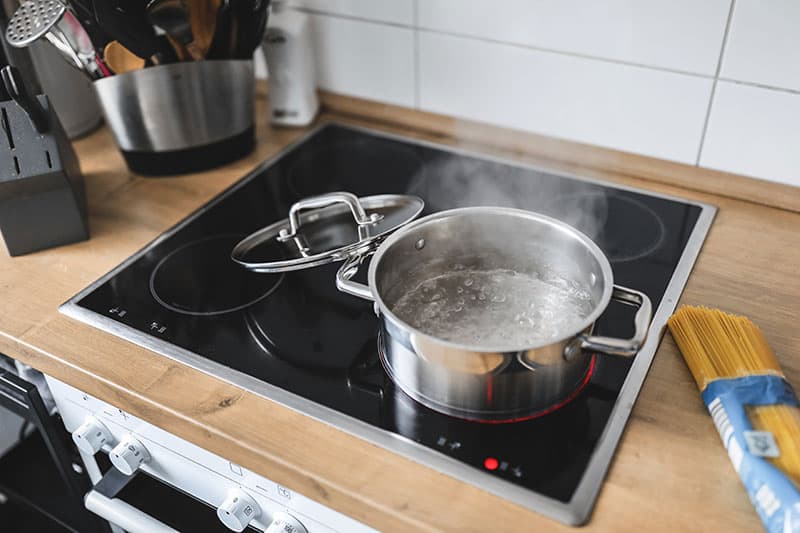
Whether you want to quickly get rid of the boiling water from the pasta you just made for dinner or want to deal with a stubborn sink blockage with a simple solution, you might have wondered if you can pour boiling water down the drain. Many people assume that extreme heat will melt away grease, dissolve soap scum, and restore water flow.
However, modern plumbing systems are not designed to handle temperatures that reach the boiling point. Pouring water that hot directly into your sink puts severe thermal stress on your entire plumbing system, which could turn a simple clog into a disaster.
Understanding your plumbing system when wondering whether you can pour boiling water down the drain can save you from expensive repair bills. However, if you experience any damage to your drains, clogs, or other plumbing issues, you can always depend on Quality Plumbing. We offer expert plumbing services to restore your plumbing quickly and efficiently so you can go back to living worry-free.
Can You Pour Boiling Water Down the Drain: Different Pipe Materials
If you’re wondering if you can pour boiling water down the drain, you first need to understand what types of pipes you have in your home. If you have plastic plumbing pipes, the answer is no. Boiling water exceeds the heat tolerance of standard plastic pipes, causing them to melt, warp, or leak almost instantly.
The safety of using boiling water relies entirely on the specific materials of your plumbing system, for example:
- Standard PVC (Polyvinyl Chloride) pipes can only handle water temperatures up to 140 degrees Fahrenheit.
- CPVC (Chlorinated Polyvinyl Chloride) is slightly more resilient and can handle temperatures up to 200 degrees Fahrenheit.
- ABS (Acrylonitrile Butadiene Styrene) pipes are black plastic pipes commonly used in drain, waste, and vent lines. Like PVC, they have a maximum temperature limit of about 140 degrees Fahrenheit and can easily deform if exposed to boiling water.
- PEX (Cross-linked Polyethylene) is highly flexible and typically used for water supply lines rather than drains. While it handles heat better than PVC, its maximum temperature rating is generally between 180 and 200 degrees Fahrenheit. Boiling water can soften and compromise the material over time.
- Cast-iron pipes are incredibly durable and highly heat-resistant. They can safely handle boiling water without any risk of melting. However, it is worth noting that pouring boiling water into a cold, decades-old cast-iron pipe could theoretically cause thermal shock and cracking, though this is rare.
- Galvanized steel pipes can easily withstand temperatures well above boiling. While they are prone to rust and corrosion over decades of use, the heat from boiling water will not damage them.
- Stainless steel pipes are exceptionally durable and virtually immune to the heat of boiling water. They will not warp, melt, or degrade from hot liquids.
- Brass pipes and fittings are also highly heat-resistant metals. They can handle boiling water with ease and are completely safe from heat-related damage
Because boiling water sits at 212 degrees Fahrenheit, it exceeds the safety limits of both common plastics. On the other hand, older homes equipped with cast-iron, galvanized steel, or copper pipes can withstand extreme heat without sustaining any structural damage. These metals have incredibly high melting points that a standard kettle of water will never reach. If you are unsure about the type of pipes installed in your home, it is always safest to assume they cannot handle boiling water.
[Related: Understanding the Different Types of Plumbing Pipes]
Can You Pour Boiling Water Down the Drain: How to Identify Plumbing Material
When you’re wondering whether you can pour boiling water down the drain, you need to identify your plumbing first. You can do this by checking the exposed pipes under your kitchen sink, in your unfinished basement, or near your water heater.
Take a look at the colors and textures of the exposed plumbing:
- PVC pipes are typically bright white plastic and are very common in modern drain lines.
- ABS pipes are thick, black plastic pipes frequently used for main sewer and drain lines.
- CPVC pipes are plastic but usually have a yellowish or cream-colored tint.
- Cast iron pipes are usually dark, heavy, textured metal.
- Copper pipes are identifiable by their brownish-penny color and metallic sheen.
Keep in mind that many homes use a mix of materials; you might have copper supply lines bringing water in, but PVC drain lines taking water out. If you notice white or black plastic drain pipes, do not pour boiling water down the drain.
Does Boiling Water Actually Clear Grease Clogs?
When you pour boiling water down the drain to melt a grease clog, the fat quickly turns liquid. This allows the water to drain from your sink, making it seem as if the problem was solved. However, as that liquid grease travels further down your plumbing system, it moves away from the heat sources and encounters cold pipes underground.
The grease then rapidly cools, solidifies, and coats the interior walls of your plumbing deep within your home’s foundation. Over time, this deep grease buildup catches food particles, hair, and debris, creating a massive, concrete-like blockage that is incredibly difficult to reach. Instead of moving the blockage out of sight, you should focus on extracting the clog.
Will Boiling Water Dissolve Hair Clogs?
Human hair is made primarily of keratin, a tough protein that does not dissolve in water, regardless of the temperature. When a bathroom drain gets clogged, it is usually due to a combination of long hair tangling around the drain stopper and binding together with sticky soap scum. If you pour boiling water down the drain onto this mess, the heat might slightly soften the soap, but the knot of hair will remain intact.
You will have wasted your time, risked burning yourself, and potentially damaged the plastic P-trap located directly beneath your shower or sink. Much like the grease clogs, you need to extract the clog. Quality Plumbing offers high-quality plumbing services, like professional clog cleaning, to restore your plumbing and peace of mind.
[Related: How to Unclog a Drain]
What Happens When PVC Pipes Melt or Warp?
The most vulnerable parts of a plastic plumbing system are the joints where two pipes connect, as a chemical solvent cement holds them together. When boiling water hits these joints, the extreme heat softens the plastic and degrades the cement seal. The pipe can wrap, losing its perfectly round shape, which immediately creates gaps at the connection points.
The next time you run your tap, water will escape through these gaps. In severe cases of heat exposure, the plastic P-trap under the sink can deform and collapse, causing all the water draining from your sink to dump straight into your cabinetry. Fixing a melted pipe requires cutting out the damaged section and installing brand new plumbing. Preventing this damage by keeping boiling water out of the drain is much easier than replacing ruined woodwork and drywall.
Can Boiling Water Damage Your Sink Basin?
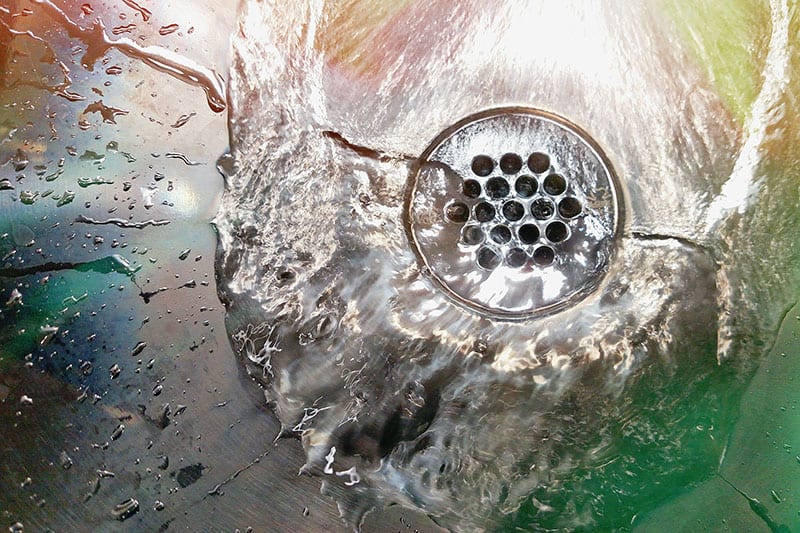
Yes, pouring boiling water directly into a cold porcelain or ceramic sink can cause the basin to shatter or crack due to thermal shock. While your pipes are at risk, the sink basin itself is just as vulnerable to extreme, sudden temperature changes.
Stainless steel sinks are flexible enough to handle this temperature change without cracking, but they can still transfer that dangerous heat directly into the plastic pipes connected beneath them. Protecting your sink basin is just as important as protecting the pipes underneath it. Before you pour boiling water down the drain or into the sink, always let it cool on the stove first.
What Should You Do If You Already Poured Boiling Water Down the Drain?
If you have already poured boiling water down the drain, you should immediately turn on the cold tap to cool the pipes and check for leaks underneath the sink. The cold water will rapidly lower the temperature inside the pipes and cool down the softened plastic. Next, open the cabinet doors beneath the sink and inspect the P-trap and the surrounding joints.
Run your hand along the bottom of the pipes to feel for moisture. Keep an eye on that sink over the next few days; sometimes, the weakened glue joints won’t start dripping until the pipes expand and contract a few more times during normal use.
When Should You Call a Professional Plumber?
You should call a professional plumber when a clog refuses to clear, water drains slowly across multiple fixtures, or you smell foul sewage odors inside your home. Some plumbing problems are too deep or too severe to fix with household tools.
Trusting a professional, like Quality Plumbing, ensures your plumbing issues are resolved safely and correctly the first time. We have the tools and training to see exactly what is happening behind your walls and how to fix it so your system is restored.
Contact us today for plumbing experts who restore your system and prioritize your comfort and peace of mind.