
Furnace Maintenance Checklist
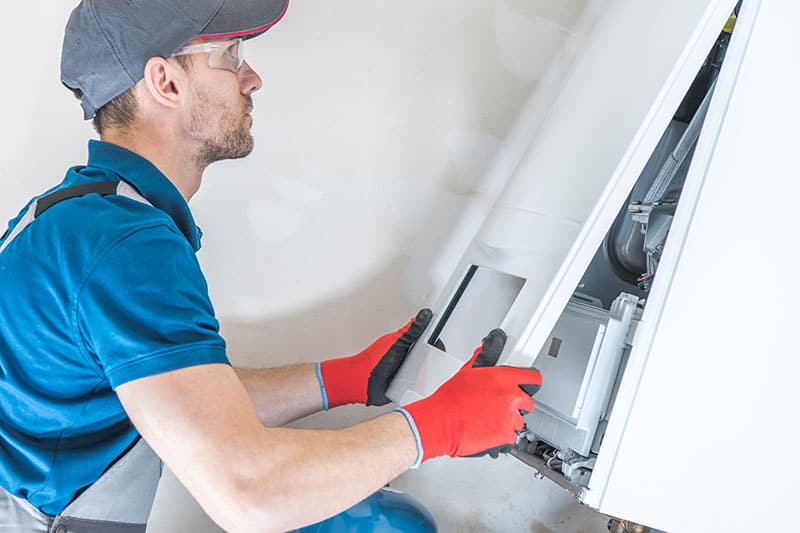
As the seasons change and a distinct chill enters the air, homeowners turn toward their furnace to keep themselves warm and comfortable. For many, they’re worried if their furnace will run efficiently or even turn on. Or will this be the year it fails during the first deep freeze? The problem is that most heating systems are ignored until they malfunction, leading to emergency calls, costly repairs, and uncomfortable, cold nights.
This guide provides the definitive solution for homeowners seeking peace of mind: a comprehensive furnace maintenance checklist. Quality Plumbing will explore the consequences of neglect and then detail the essential tasks you can perform yourself, followed by when you need the expertise of a certified professional.
[Related: Furnace Not Working? A Homeowner’s Troubleshooting Guide]
The Definitive Furnace Maintenance Checklist
This furnace maintenance checklist is divided into two parts. The first section covers essential tasks that every homeowner can and should perform regularly. The second details the comprehensive inspection and tune-up that must be handled by a trained and certified HVAC technician.
Furnace Maintenance Checklist: Essential DIY Tasks
- Replace the Air Filter: A clogged filter severely restricts airflow, forcing the system’s blower motor to work harder, which increases energy costs and puts excessive strain on core components. Inspect your furnace filter monthly and replace it as needed – typically every 1 – 3 months, depending on the filter type, pets, and overall home environment.
- Maintain a Clear Perimeter: Your furnace requires adequate clearance for proper combustion, ventilation, and service access. Ensure there is a minimum of 30 inches of unobstructed space around the unit. Never store flammable materials, such as paint, gasoline, or even laundry and old boxes, in the immediate vicinity.
- Examine Vents and Registers: Blocked vents disrupt the balanced distribution of heat, creating cold spots and forcing your furnace to run longer. Make sure all supply and return air vents are open and unobstructed by furniture, rugs, or drapes.
- Regularly Test Safety Devices: Your smoke and carbon monoxide detectors are vital for your family’s protection. Test them monthly and replace the batteries at least once a year.
These fundamental checks are your first line of defense in keeping your heating system running smoothly between professional appointments. Performing these simple tasks can prevent common issues and allow you to identify potential problems early.
The Professional Annual Furnace Maintenance Checklist
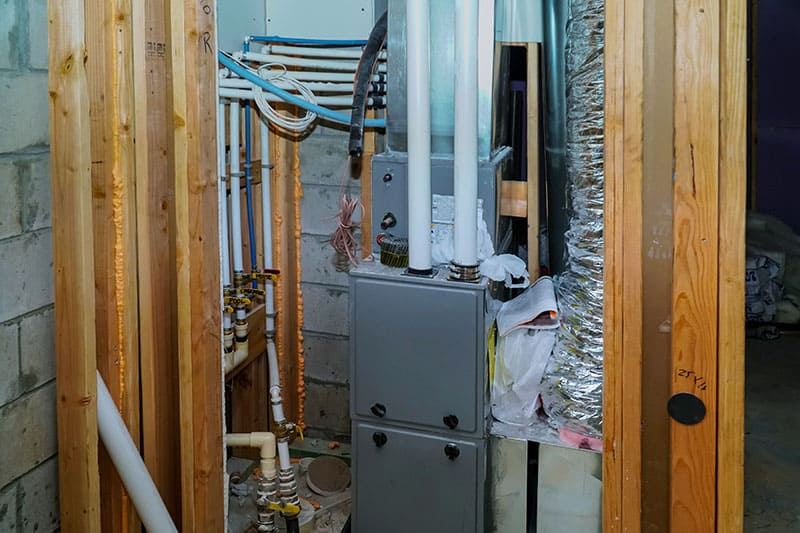
While DIY tasks are important, they are not a substitute for a thorough, professional inspection. A professional tune-up, based on a comprehensive furnace maintenance checklist and utilizing specialized diagnostic tools, is the best way to ensure your system is safe, efficient, and reliable. A technician’s inspection begins with the heart of the system: the combustion components. This includes:
- Heat Exchange Examination: A meticulous visual inspection for cracks, corrosion, or stress fractures that could lead to dangerous carbon monoxide leakage.
- Burner Assembly Cleaning and Adjustment: The removal of soot and debris from the burners to ensure clean, efficient combustion and proper ignition.
- Ignition System and Flame Sensor Service: Verification of the pilot light or electronic igniter for safe operation and cleaning of the flame sensor to prevent shutdowns caused by an inability to detect the flame.
Next, the technician will focus on the airflow and blower system to ensure warm air is being distributed effectively throughout your home. This involves:
- Blower Motor and Wheel Cleaning: The removal of accumulated dust and debris from the blower wheel to restore maximum airflow and efficiency.
- Motor Amperage and Voltage Test: The measurement of electrical readings to confirm the motor is operating within its specified parameters, preventing premature failure.
- Lubrication of Moving Parts: The application of lubricant to motor bearings and other moving components to reduce friction and wear.
Finally, the most important part of a professional furnace maintenance checklist is verifying all safety and control systems. This includes checking the exhaust flue for blockages, measuring gas pressure with a manometer to ensure safe and efficient operation, tightening all electrical connections to prevent hazards, and testing every safety circuit and limit switch. When you contact Quality Plumbing for HVAC service, our certified technicians address all these critical points to protect your home and peace of mind.
[Related: Beyond Just “Heat”: A Homeowner’s Guide to the High-Efficiency Furnace]
The High Cost of Neglect: Why Skipping Maintenance is a Risk
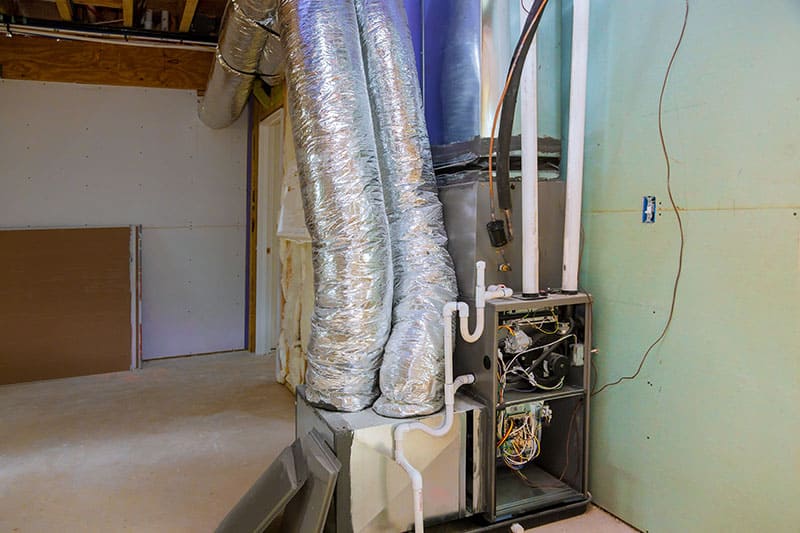
The consequences of ignoring furnace maintenance are far beyond a chilly home, impacting your finances, safety, and overall comfort. Having a proactive furnace maintenance checklist is the single most effective strategy for mitigating repair costs, with regular service preventing up to 95% of all HVAC system repairs.
A neglected furnace operates under continuous strain, leading to premature wear on critical components like the blower motor and heat exchanger. An emergency repair will invariably cost significantly more than a scheduled tune-up. A lack of maintenance can increase energy consumption by as much as 30%, directly inflating your monthly utility bills.
Beyond the financial strain, an improperly maintained furnace poses a direct threat to your family’s safety. The most severe risk is a compromised heat exchanger, which can develop cracks over time, potentially allowing colorless, odorless carbon monoxide (CO) to infiltrate your home’s air supply. Finally, a furnace with clogged filters and dirty components cannot perform to manufacturer specifications. This results in inconsistent heating, reduced airflow, and an inability to maintain a comfortable temperature, degrading your home’s comfort and air quality.
Contact Quality Plumbing Today for Expert HVAC Services
An annual professional tune-up, guided by a comprehensive furnace maintenance checklist, is not an expense—it is a strategic investment in the safety, efficiency, and longevity of your home’s heating system. The evidence is clear: proactive care mitigates the risk of costly emergency breakdowns, lowers your energy bills, and, most importantly, protects your family from preventable safety hazards, like fire and carbon monoxide exposure.
Ensure your home’s safety and comfort this season. The certified technicians at Quality Plumbing are ready to provide expert HVAC services that give you the reliability and peace of mind you deserve.