

Is Your Furnace Making a Buzzing Noise? What to Know
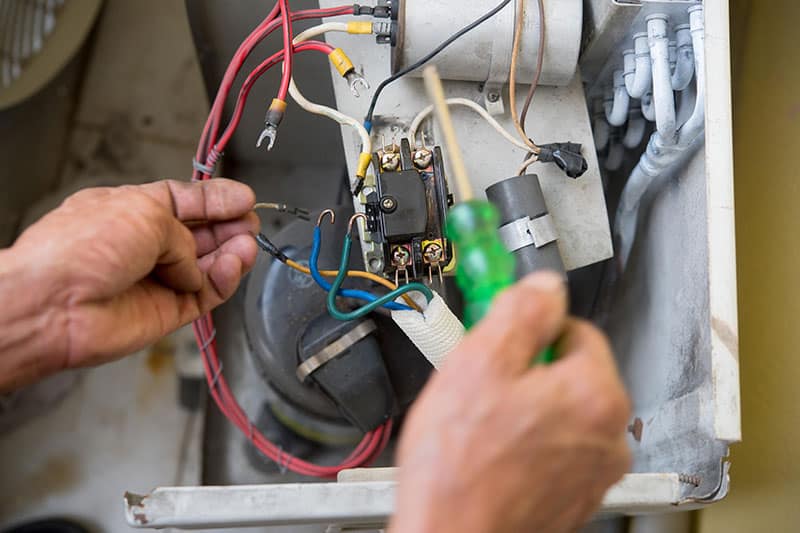
When your furnace goes from the gentle whoosh of air to a persistent, low-level buzz, it can start to make your mind race. Is that sound dangerous? Is my furnace about to die in the middle of a cold snap? How much is this going to cost me? These are valid concerns, and that unsettling sound is your HVAC system’s way of asking for help.
Quality Plumbing can help demystify that sound by helping you understand the common causes behind a furnace making a buzzing noise. More importantly, we will provide a clear, safe action plan to guide you on what to do next, so you can restore both the quiet in your home and your peace of mind.
Common Causes for Furnace Making Buzzing Noise
A buzzing furnace is almost always a sign of an electrical or mechanical issue that needs attention. The sound itself is a vibration, and pinpointing the source of that vibration is key to diagnosing the problem. While several issues can cause a buzz, they typically fall into two main categories: electrical faults and mechanical problems.
Electrical Issues
More often than not, when your furnace is making a buzzing noise, the culprit is an electrical component that is either failing or struggling to do its job. These parts manage the flow of high-voltage electricity, and when they start to wear out, they can vibrate intensely, creating the audible buzz you hear.
- Failing Transformer: Your furnace transformer is a small but vital component that steps down the high voltage from your home’s electrical system to a lower voltage suitable for the furnace’s sensitive control circuits. As a transformer ages, its internal laminated steel core and copper windings can begin to loosen and vibrate against each other, creating a very distinct and steady buzzing sound. This is a common sign that the transformer is nearing the end of its life and could fail, leaving you without heat.
- Bad Contactor Relay: Think of the contactor relay as a heavy-duty light switch. When the thermostat calls for heat, this switch closes to send a powerful electrical current to major components, such as the blower motor or heating elements. Over time, the electrical contacts can become pitted or worn. A failing contactor may struggle to create a solid connection, causing the electricity to “arc” between the contacts. This rapid arcing and the chattering of the switch itself produce a loud, often aggressive buzzing noise.
- Failing Blower Motor Capacitor: The capacitor acts like a battery, delivering a powerful jolt of energy to get the blower motor spinning from a standstill. When a capacitor weakens, it can no longer hold a sufficient charge. You might hear a buzzing or humming sound as the motor receives a weak electrical signal and struggles, but fails to start. Ignoring this buzz is particularly risky, as the strain can quickly burn out the entire blower motor—a far more expensive repair.
Mechanical and Structural Issues
While less common than electrical faults, sometimes the source of the buzz is physical. These mechanical vibrations can range from a simple fix to a sign of a major component failure. If you’re dealing with a furnace making a buzzing noise, it’s worth considering these possibilities as well.
- Loose Components: Sometimes, the simplest explanation is the right one. The powerful vibrations created by the blower motor can cause parts of the furnace cabinet to rattle. Check for a loose access panel, an unsecured transformer housing, or even ductwork that is vibrating against the furnace unit. This type of buzzing will typically only occur when the blower is actively running.
- Blower Motor Problems: The blower motor is the heart of your furnace, responsible for circulating warm air throughout your home. If the problem isn’t the capacitor, the motor itself could be failing. Worn-out bearings inside the motor can create a loud buzzing or grinding hum. An internal electrical short within the motor’s windings can also produce a distinct electrical buzz. These are serious mechanical issues that signal the motor is in distress and requires immediate professional attention.
[Related: Furnace Not Working? A Homeowner’s Troubleshooting Guide]
What to Do when Your Furnace is Making a Buzzing Noise
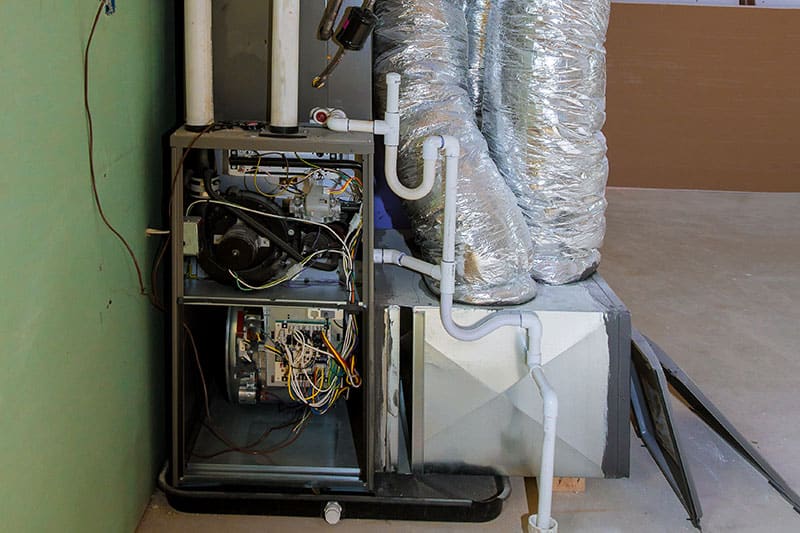
When you hear a furnace making a buzzing noise, your first instinct might be to investigate. While curiosity is understandable, safety must be your priority. Furnaces contain high-voltage components, and attempting a DIY repair without proper training is dangerous. However, there are a couple of safe checks you can perform before calling a professional:
- Check the Air Filter: A severely clogged air filter is a common cause of many furnace problems. It restricts airflow, forcing the blower motor to work much harder. This strain can sometimes cause the motor or other components to vibrate and create a humming or buzzing sound. Replacing a dirty filter is a safe, easy first step that is crucial for your system’s health, regardless.
- Look for Loose Panels: Carefully inspect the exterior of the furnace cabinet. Are all the access panels and covers tightly secured? Sometimes a single loose screw can cause a panel to vibrate loudly when the system is running. If you find one, tightening it may solve your noise problem instantly.
Sometimes, a persistent buzz is your furnace’s way of saying it’s tired and nearing the end of its lifespan. The thought of a furnace replacement can be daunting, but it’s also an opportunity to upgrade to a more reliable and energy-efficient system that will lower your utility bills for years to come. Quality Plumbing walks you through all your options, focusing only on the right solution for your home and budget.
The Risk of Ignoring the Buzz
That buzzing sound may be just an annoyance now, but ignoring it is a gamble with your comfort, your wallet, and your safety. A furnace making a buzzing noise is a clear sign, and listening to it can save you from a world of trouble.
- Prevents Catastrophic Failure: Many furnace repairs follow a chain reaction. For example, a buzzing capacitor is a relatively minor and inexpensive fix. However, if left unaddressed, that failing capacitor will eventually destroy the blower motor it’s trying to start. This turns a small repair into one of the most expensive fixes your furnace can have. Acting on the initial buzz stops the problem before it escalates.
- Ensures Safety: Electrical issues are not just a functional problem; they are a safety concern. A malfunctioning transformer or arcing contactor can overheat, posing a potential fire hazard. Promptly addressing a furnace making a buzzing noise is a critical step in ensuring your home’s safety.
- Restores Efficiency: A component that is struggling to perform its function works harder and draws more electricity. This inefficiency doesn’t just strain your furnace; it strains your budget. A struggling system consumes more energy, leading to higher utility bills. A quick repair restores your furnace to peak performance and efficiency.
Need Help with Your Furnace Making a Buzzing Noise? Contact Quality Plumbing
A furnace making a buzzing noise isn’t just a random quirk; it’s a direct and clear warning sign from your HVAC system. It’s telling you that a component is failing and requires attention. Don’t let a small buzz turn into a silent, broken-down furnace in the middle of winter. Protect your investment, your budget, and your family’s comfort. Get expert HVAC services from Quality Plumbing. They can help with your furnace making a buzzing noise, and they also offer other HVAC solutions. Contact us today and tell us about your problem.