

Sump Pump Flooded Basement: How They Work
A flooded basement can be one of the most destructive forces for a property owner. A single inch of floodwater in a residential property or commercial facility can result in up to $25,000 in structural and property damage. For properties with subterranean levels, the main defense against this catastrophic damage is a highly functional, expertly installed sump pump system.
When heavy precipitation raises the local water table, a flooded basement without a sump pump can be devastating for property owners. This guide examines how groundwater intrusion happens, what a sump pump is, and the practical, expert-level remedies necessary to protect your property.
Quality Plumbing is a top-tier plumbing company serving the Kansas City metro area with decades of experience to ensure plumbing problems are fixed immediately whenever our community faces them. Whether you need a sump pump for a flooded basement, emergency repairs, or even HVAC services, we’re here to help. Contact us today to protect your home and restore your peace of mind.
How Does a Basement Flood?
Before we get into how a sump pump can help a flooded basement, we need to understand why basements flood. One of the most common threats is hydrostatic pressure, which occurs when the soil surrounding a foundation becomes saturated from heavy rains or even rapid snowmelt. The expanding water table exerts immense lateral and upward force against foundation walls and concrete slabs. This pressure forces moisture through microscopic fissures, porous concrete, and cold joints.
However, hydrostatic pressure is far from the only way a basement floods. Internal mechanical and plumbing catastrophes can be equally, if not more, devastating. These include:
- Pipe Failures: A burst frozen water line, a ruptured washing machine supply hose, or a failing domestic water heater can discharge hundreds of gallons of pressurized water into your basement in a matter of hours.
- Sanitary Sewer Backups: Blockages in your main sewer line—often caused by invasive tree roots or municipal system overloads—can force hazardous, untreated wastewater to reverse flow and emerge from basement floor drains.
- Surface Water Leaks: Poor exterior grading, clogged gutter systems, or failed window well seals can channel heavy surface runoff directly into your home rather than directing it away from the foundation.
Whether the water originates from a rising water table or a sudden ruptured pipe, understanding these vulnerabilities is the first step in implementing the right defensive systems to protect your property.
[Related: Sump Pump Maintenance Checklist for Midwest Storm Season]
What is a Sump Pump?
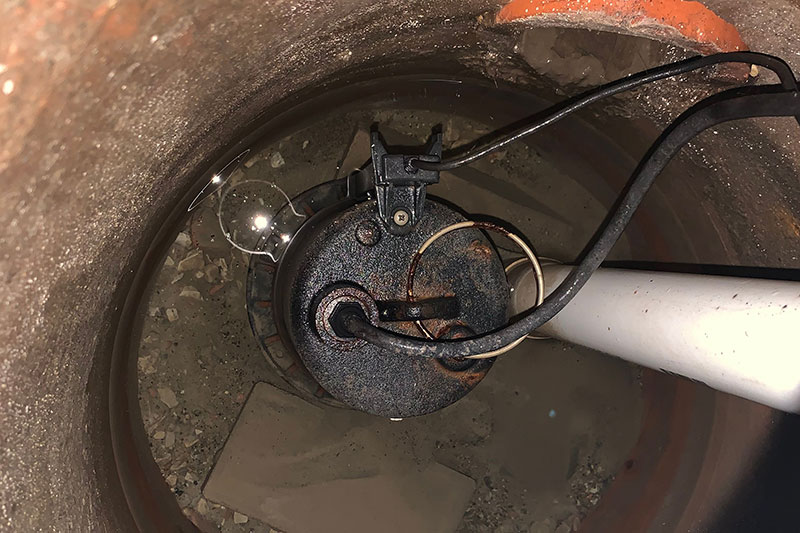
A sump pump is a specialized, motorized device designed to lessen hydrostatic pressure – the immense lateral and upward force exerted by saturated soil against foundation walls and concrete slabs. The system operates via a collection basin, known as a sump pit, which is excavated and installed at the lowest point of a property’s foundation.
As groundwater permeates the soil and enters the basin via weeping tiles or perimeter drains, the water level rises. This triggers a buoyant float actuator, which engages a centrifugal pump. The pump forcefully expels the accumulated water through a designated discharge line, routing it safely away from the property’s grading to prevent structural infiltration.
How a Sump Pump Helps a Flooded Basement
A sump pump can help prevent a flooded basement by stopping water from breaching the slab. Without a reliable mechanical intervention, this infiltration rapidly accumulates. Property owners can avoid severe consequences with a sump pump, including:
- Structural Degradation: Constant hydrostatic pressure creates microscopic fissures, compromising foundational integrity over time.
- Biological Hazards: Stagnant moisture creates an optimal breeding ground for Stachybotrys chartarum (or black mold) in as little as 24 to 48 hours, requiring highly expensive environmental remediation.
- Property and Equipment Loss: Submerged HVAC equipment, electrical systems, and irreplaceable personal items are frequently total losses.
When you need a reliable sump pump to avoid a flooded basement, and want expert installation to ensure your new system does not fail when you need it most, contact Quality Plumbing. We offer expert sump pump installation and repairs to protect your property.
[Related: What is a Slab Leak? Understanding This Hidden Threat to Your Home]
Contact Quality for a Sump Pump to Avoid a Flooded Basement
Don’t wait for the next torrential downpour to discover your foundation’s mechanical defenses are compromised. Proactive maintenance is the only guaranteed strategy to prevent the costly devastation of water intrusion.
Secure your property from a flooded basement with sump pump installation from Quality Plumbing today. When you need other plumbing services, such as repairs, installation, and replacements, you can rely on us.