

Why Your Water Heater Runs Out of Hot Water Quickly
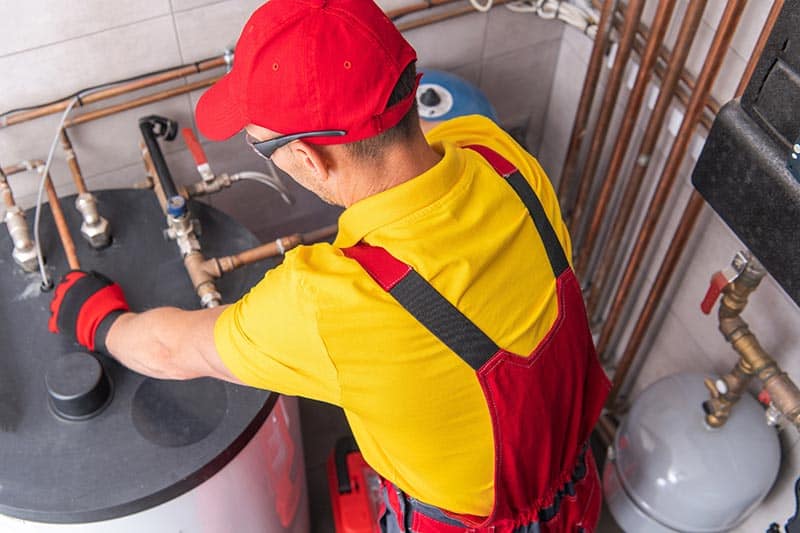
When your showerhead blasts icy-cold water when you’re trying to enjoy a warm, steamy shower, it’s a sign that your water heater runs out of hot water quickly. That abrupt end to your moment of peace is more than just a minor annoyance; it’s a symptom of an underlying issue that needs attention.
Quality Plumbing is here to walk you through the most common reasons your hot water supply is falling short, helping you diagnose the potential causes. When the problem is beyond a simple fix, the trusted experts at Quality Plumbing are ready to provide a lasting solution. When your water heater runs out of hot water quickly, contact us for expert water heater repair and replacement services.
Common Culprits: Why Your Water Heater Runs Out of Hot Water Quickly
When your hot water supply seems to vanish in minutes, it’s easy to assume the worst. However, the cause is often one of a few common culprits. Understanding these potential issues is the first step toward finding the right solution. A water heater runs out of hot water quickly for reasons that range from simple maintenance needs to component failure, and identifying the specific cause is key to an effective repair.
Sediment Buildup in the Tank
One of the most frequent reasons a water heater runs out of hot water quickly is the accumulation of sediment. This occurs when minerals naturally present in your water supply, such as calcium and magnesium, settle at the bottom of the tank over the years. This process creates a thick, rocky layer of scale that insidiously sabotages your heater’s performance.
This layer of sediment physically displaces water, meaning your 50-gallon tank might only be holding 40 gallons. Furthermore, it creates an insulating barrier between the heating mechanism (the burner on a gas model or the lower element on an electric one) and the water itself. This forces the unit to work much harder and less efficiently to heat a smaller volume of water, leading to a frustratingly short supply of hot water and higher energy bills.
A Broken or Malfunctioning Dip Tube
Inside your water heater is a simple but crucial component called the dip tube. This plastic pipe’s job is to direct the cold water entering the tank down to the bottom, near the heating source, to be warmed. This process ensures that the hot, ready-to-use water remains undisturbed at the top of the tank, ready to be sent to your faucets and shower.
However, these tubes can become brittle over time and may crack or break off completely. When this happens, incoming cold water no longer goes to the bottom. Instead, it sprays out at the top of the tank, mixing directly with the hot water you’re trying to use. This mixture results in lukewarm water at the tap and a supply that feels like it runs out almost instantly.
Faulty Heating Elements (Electric Water Heaters)
If you have an electric water heater, it likely has two heating elements: an upper one and a lower one. They work in tandem to heat your water efficiently. The upper element activates first to heat the top portion of the tank, providing you with hot water quickly. Once that’s done, power switches to the lower element, which heats the remaining water and maintains the overall temperature.
If the lower element fails, the heater loses its ability to warm the bulk of the water in the tank. The upper element will still heat a small amount at the top, which is why you’ll get a brief burst of hot water before it turns cold. This is a classic sign that your water heater runs out of hot water quicklydue to an electrical component failure.
Malfunctioning Thermostat or Gas Control Valve (Gas Water Heaters)
For homes with gas water heaters, the problem often lies with the components that control the flame. The thermostat is responsible for reading the water temperature and signaling the gas control valve to release gas and ignite the burner when the water gets too cool. If the thermostat is failing or inaccurate, it may not signal the burner correctly, leading to insufficient heating or water that is only lukewarm.
Similarly, a problem with the gas control valve or the thermocouple (a safety device that shuts off the gas if the pilot light goes out) can prevent the burner from staying lit. Without a consistent flame, the water won’t be heated properly, and you’ll find your hot water supply is disappointingly short.
An Undersized Water Heater for Your Needs
Sometimes, the issue isn’t a malfunction at all. Your Water Heater may run out of hot water quickly simply because it’s too small for your household’s demand. Your family’s needs may have changed over time. Perhaps your family has grown, or you’ve recently installed a new appliance like a large soaking tub or a high-flow, multi-head shower system. Even running the dishwasher and washing machine while someone is showering can be enough to deplete a smaller tank.
If your water heater is working perfectly but still can’t keep up, it may be time to consider upgrading to a larger model or even a tankless water heater that provides hot water on demand.
[Related: Tankless Water Heaters vs. Traditional]
Simple Checks You Can Perform Safely
There are a few simple and safe checks you can perform to potentially identify or solve why your water heater runs out of hot water quickly. These preliminary steps can sometimes reveal an easy fix, but they can also provide valuable information for a technician if the issue proves to be more complex:
- Check the water heater’s thermostat: It’s possible the temperature was accidentally turned down. For most households, the Department of Energy recommends a setting of 120°F (49°C). This temperature is hot enough for your needs while reducing energy consumption and minimizing the risk of scalding. Be cautious not to set it too high, as temperatures above 120°F can pose a serious safety hazard, especially for children and the elderly.
- Perform a visual inspection around the base of your water heater: Look for any signs of moisture, puddles, or water trails. A leak, even a small one, can drain hot water from the tank and is a serious issue that needs immediate attention.
- Listen to the water heater while it’s operating: If you hear popping, rumbling, or crackling noises while your water heater is running, it’s a strong indication of a significant sediment buildup at the bottom of the tank, which is impacting its ability to heat water efficiently.
If you’ve performed the simple checks and your water heater runs out of hot water quickly, it’s a clear sign that the problem lies deeper within the unit’s mechanical or electrical systems. Attempting to fix these complex components yourself can lead to further damage, void your warranty, or create a serious safety risk, like a gas leak or electrical fire.
A professional plumber has the expertise to accurately diagnose the root cause of the problem, saving you the time and frustration of guesswork. Investing in a professional diagnosis and repair not only provides a lasting solution but also ensures the safety and comfort of your home.
[Related: Should I Repair or Replace My Water Heater?]
Reclaim Your Hot Water – Call Quality Plumbing Today!
Don’t let another day be ruined by a frustratingly cold shower. If your water heater runs out of hot water quickly, it’s time to call in the experts who can diagnose the problem correctly and provide a reliable, long-lasting solution that restores comfort to your home.
When you need the best in plumbing and HVAC services, look no further than the trusted, non-commissioned professionals at Quality Plumbing. We’re ready to put our expertise to work for you and restore your home’s comfort and peace of mind. Contact us today for expert plumbing services.