

How to Tell If You Have Hard Water
Hard water is one of the most common residential plumbing issues in the United States, yet it frequently goes undiagnosed until significant damage has already occurred.
Quality Plumbing helps homeowners recognize the symptoms of hard water, understand its long-term impact, and implement professional treatment solutions that restore water quality throughout the home. When you need expert plumbing and water treatment services from technicians with decades of industry experience, reach out to Quality Plumbing.
The Science Behind Hard Water and Why It Matters
To understand how to tell if you have hard water, it helps to know exactly what hard water is. Hard water is water that contains an elevated concentration of dissolved minerals — primarily calcium carbonate and magnesium. These minerals are absorbed naturally as groundwater filters through limestone, chalk, and gypsum deposits before reaching your home through municipal supply lines or private wells.
Kansas City, along with many other regions of the country, sits on geological formations that naturally produce hard water. This means that the majority of homeowners in the area are likely dealing with some degree of mineral content in their water supply — often without realizing it. While hard water is not a health hazard, its cumulative effect on residential plumbing systems is significant and worth addressing proactively.
[Related: DIY Plumbing Do’s & Don’ts]
Common Signs of Hard Water in Your Home
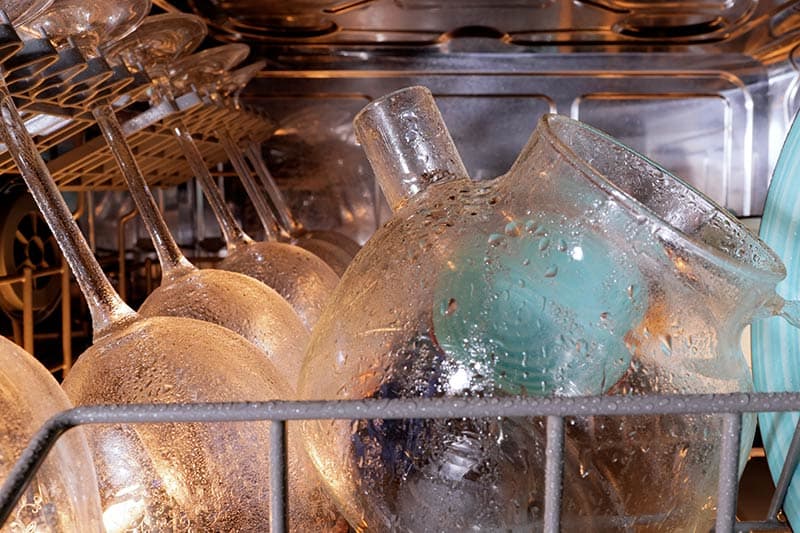
Hard water leaves clues throughout your home, but those clues are easy to overlook when they appear gradually. The following symptoms are the most reliable indicators that your water supply contains a high mineral content:
- Cloudy Glassware and Spotted Dishes: Even after a complete dishwasher cycle, dishes, silverware, and glassware emerge streaked with white, chalky residue. These are limescale deposits left behind as hard water evaporates.
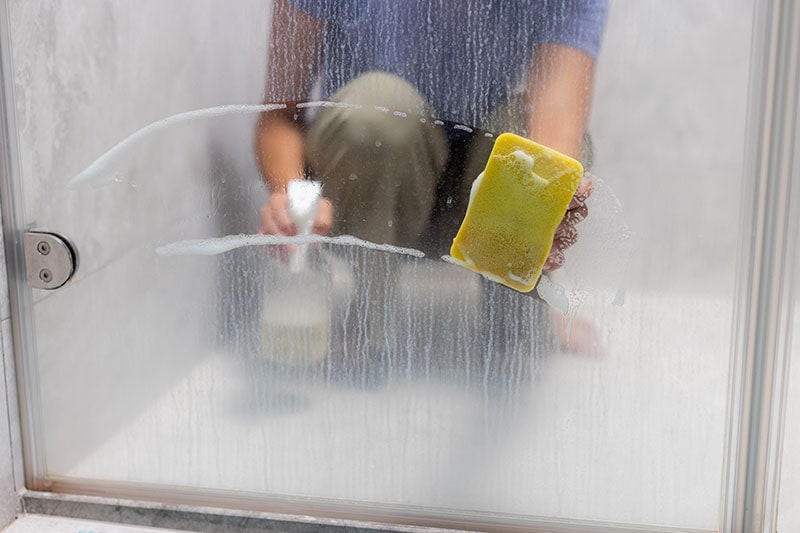
- Persistent Soap Scum: Hard water reacts with soap to create a sticky, film-like residue that clings to shower walls, bathtubs, sinks, and tile grout. No matter how often you clean, the buildup quickly returns.
- Skin and Hair Irritation: After showering, your skin feels tight, dry, or itchy, and your hair looks dull and lifeless. This happens because hard water prevents soap and shampoo from rinsing cleanly, leaving mineral residue behind.
- Discolored or Stiff Laundry: Clothing washed in hard water often feels rough, fades prematurely, and develops a yellowish or grayish tint over time.
- Limescale Buildup on Fixtures: White, crusty deposits accumulate around faucet aerators, showerheads, and drains, often restricting water flow and requiring frequent cleaning.
- Reduced Water Pressure: As mineral scale builds inside your pipes, the internal diameter narrows, gradually choking water flow throughout the home.
Recognizing two or more of these signs is a strong indicator that hard water is actively affecting your home, and that further evaluation is warranted. For a full inspection and to hear your options for softening your water, contact Quality Plumbing.
The Hidden Costs of Ignoring Hard Water
While the surface-level signs of hard water are inconvenient, the consequences hidden inside your plumbing system are far more concerning. Limescale buildup is relentless, and over several months and years, it works its way into every component of your water infrastructure. Your water heater is particularly vulnerable because mineral sediment settles at the bottom of the tank, forming an insulating barrier that forces the unit to consume more energy to heat the same volume of water. The Department of Energy reports that even a quarter-inch of scale inside a water heater can reduce efficiency by up to 25%, leading directly to higher utility bills and a shortened equipment lifespan.
Your appliances suffer just as much. Dishwashers, washing machines, refrigerators with ice makers, and even coffee makers all rely on consistent water flow and clean internal components. Hard water can reduce the operational lifespan of these appliances by about 30%, forcing premature and expensive replacements.
Meanwhile, the slow accumulation of scale in your pipes raises water pressure throughout the system, increasing the likelihood of leaks, pinhole ruptures, and full-pipe failure. Left untreated, the financial impact of hard water can easily run into the thousands of dollars over the life of a home.
[Related: Hard vs Soft Water]
Professional Solutions and When to Call Quality Plumbing
The good news is that hard water is a fully solvable problem with the right professional intervention. The most effective solution for most homes is a whole-house water softener, which uses ion exchange to remove calcium and magnesium from your water supply before it ever reaches your fixtures. For homeowners who prefer a salt-free alternative, water conditioners alter the chemical behavior of minerals so they no longer adhere to surfaces. For drinking water specifically, a reverse osmosis system delivers cleaner, better-tasting water directly to your kitchen tap.
Choosing the right system requires more than picking a product off a shelf. A licensed plumber will conduct a precise water hardness test, evaluate your home’s water usage patterns, and recommend a properly sized system tailored to your needs. The team at Quality Plumbing has the diagnostic tools, manufacturer-approved equipment, and industry expertise to deliver a water treatment solution that performs flawlessly for years to come.
Contact Quality Plumbing today to schedule an estimate and discuss your water softening options.