

My Washing Machine Hose is Leaking – What Do I Do?
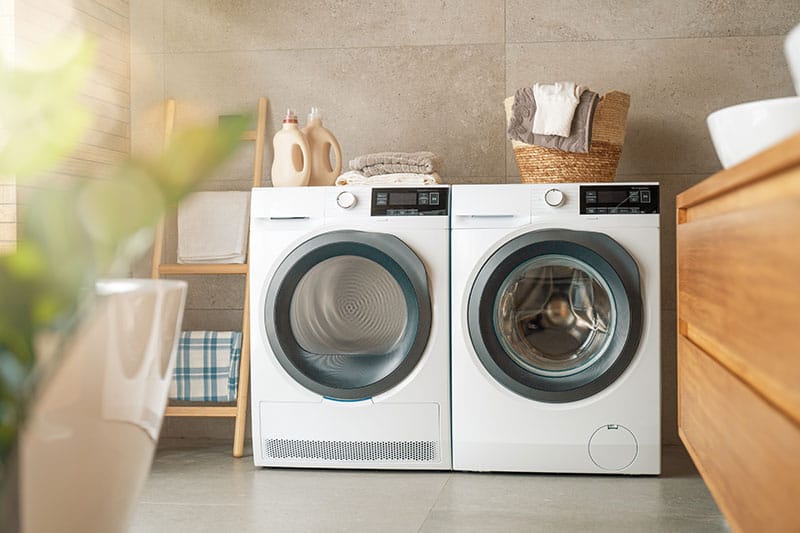
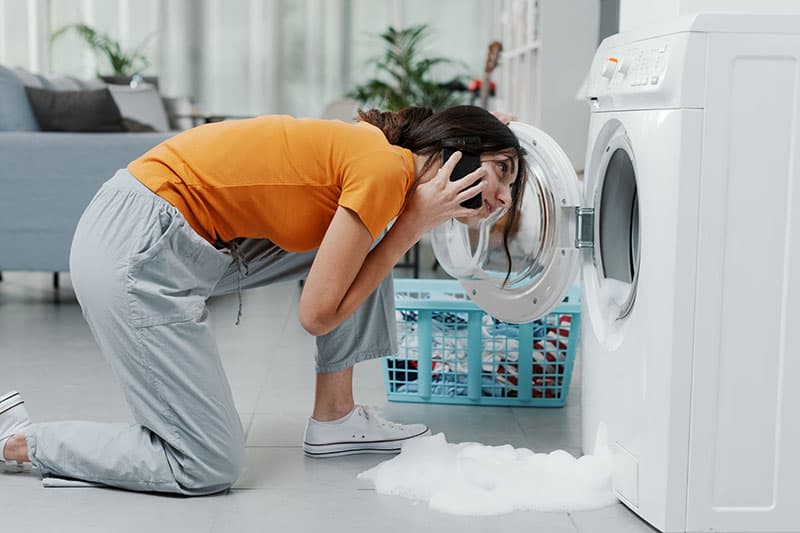
Few household discoveries inspire panic quite like stepping into your laundry room and finding water pooling beneath your washing machine.
If you have ever thought to yourself, “The hose of my washing machine is leaking, what do I do?” you are not alone. Washing machine hose failures are one of the leading causes of residential water damage in the United States. Whether you are dealing with a slow drip or a sudden burst, acting quickly can mean the difference between a minor repair and a major restoration project.
Quality Plumbing proudly serves homeowners throughout Kansas City and the Lake of the Ozarks, providing fast, professional plumbing solutions when emergencies strike.
Immediate Steps to Take When Your Washing Machine Hose is Leaking
The moment you discover a leaking washing machine hose, every second counts. A standard washing machine supply line delivers water at roughly 60 PSI, meaning a fully ruptured hose can release several hundred gallons of water per hour into your home. Whether you are in a finished basement laundry room in Overland Park or a lakeside cabin near Osage Beach, the priority is the same: stop the water and contain the damage.
- Shut Off the Water Supply Immediately: Locate the hot and cold shut-off valves behind your washing machine and turn both to the closed position. If the valves are seized, corroded, or inaccessible, shut off the main water supply to your home. In most Kansas City-area homes, the main shut-off is located in the basement near the water meter. In many Lake of the Ozarks properties, it may be in a utility room or near the well pressure tank.
- Unplug the Washing Machine: Once the water is off, disconnect the appliance from its electrical outlet. Standing water and live electrical components are a dangerous combination, and removing power eliminates the risk of shock.
- Contain the Spill: Use towels, a wet/dry vacuum, or a mop to remove standing water as quickly as possible. The longer water sits, the deeper it penetrates flooring, baseboards, and subflooring, particularly in the wood-framed homes common throughout the Ozarks region.
- Inspect the Source of the Leak: With the water off, examine the hoses carefully. Look for visible cracks, bulges, blistering, loose connections at the valve or appliance, or rust around the fittings. Identifying the exact source helps determine whether a simple replacement or a more involved repair is needed.
Taking these steps within the first few minutes of discovering a leak can dramatically reduce the scope of water damage and the cost of any subsequent repairs.
[Related: How to Detect Water Leaks]
Why Washing Machine Hoses Fail in the First Place
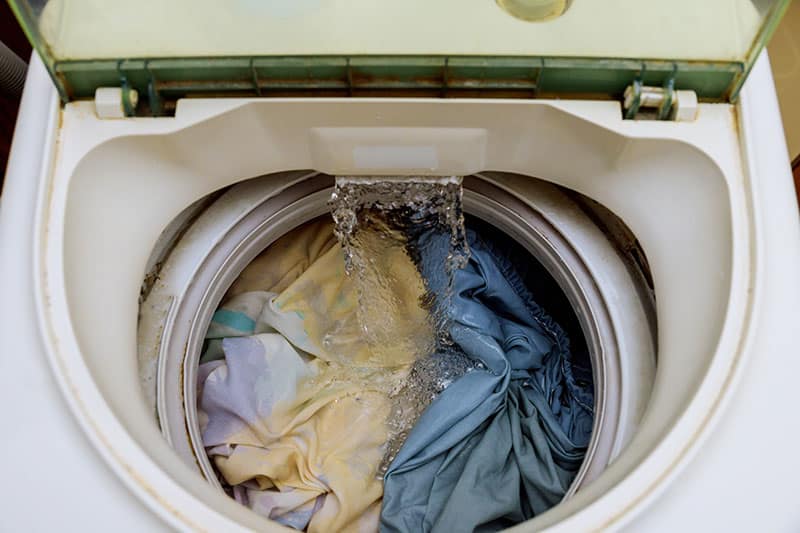
Understanding why your washing machine hose is leaking helps you address the root cause rather than just treating the symptom. Washing machine supply hoses are under constant pressure 24 hours a day, even when the appliance is not in use. Over time, that continuous strain, combined with environmental factors, causes inevitable wear and eventual failure. The most common reasons washing machine hoses leak include:
- Age and Material Fatigue: Standard rubber supply hoses typically last between three and five years before the material begins to degrade. Manufacturers recommend replacing them every five years at most. However, many homeowners go a decade or more without replacing the original hoses installed with the appliance.
- Burst Pressure Failures: Rubber hoses can develop weak spots that eventually rupture under normal water pressure. This is especially common in older Kansas City homes with higher municipal water pressure, where pressures exceeding 80 PSI place additional strain on supply lines.
- Kinking and Improper Installation: When a washing machine is pushed too close to the wall, the hoses can kink, restricting flow and creating stress points that lead to cracks and leaks.
- Loose or Corroded Fittings: Connections at the shut-off valve or the back of the appliance can loosen over time due to vibration during spin cycles. Corrosion around brass or metal fittings, particularly in humid environments like lakeside homes, accelerates this process.
- Temperature Fluctuations: Lake of the Ozarks vacation homes and seasonal properties often experience significant temperature swings, especially in unheated utility areas. Freezing and thawing cycles can compromise hose integrity and cause hidden internal damage.
Knowing the cause of the leak allows you and your plumber to implement the right long-term solution, rather than simply patching the problem and waiting for it to happen again. If you suspect a leak, shut off your water supply and contact us. Our expert plumbers are on call 24/7 and ready to help.
How to Prevent Future Washing Machine Hose Leaks
Once the immediate emergency is handled, the next priority is making sure it does not happen again. Prevention is far less expensive than repair, and a few simple upgrades can dramatically reduce your risk of future leaks. Upgrading from standard rubber hoses to stainless steel braided supply lines is one of the most effective improvements you can make. These reinforced hoses are significantly more resistant to bursting, kinking, and corrosion, and typically carry 10-year or longer warranties.
Beyond upgrading the hoses themselves, consider installing a single-lever shut-off valve to easily turn off both hot and cold water supplies when the washing machine is not in use. This is particularly valuable for Lake of the Ozarks homeowners who may leave vacation properties unoccupied for extended periods. Installing a washing machine drain pan with a leak detection sensor adds another layer of protection, alerting you to leaks before they cause significant damage. Finally, make a habit of inspecting your washing machine hoses every six months for signs of bulging, cracking, or moisture around the fittings, and pull the appliance away from the wall to ensure there are no kinks or compression points.
[Related: DIY Plumbing: Do’s and Don’ts]
When to Call Quality Plumbing in Kansas City and Lake of the Ozarks
While replacing a washing machine hose may seem like a manageable DIY task, the consequences of doing it incorrectly can be severe. Improperly tightened fittings, mismatched hose sizes, or undetected damage to the shut-off valves can transform a simple repair into a full-blown plumbing emergency. If your shut-off valves are seized, if the leak is occurring inside the wall, or if you suspect water has reached your subfloor or drywall, it is time to call a professional.
Quality Plumbing serves homeowners across the Kansas City metro area and throughout the Lake of the Ozarks, delivering fast, reliable repairs backed by decades of industry experience. Whether you are dealing with a midnight emergency in Lee’s Summit or a slow leak at your weekend property in Camdenton, we are ready to help.
Book an appointment or call us today for 24/7 emergency service.